Will AI replace entry-level tech jobs? Short answer: <strong>not wholesale</strong>, but expectations will ratchet up. When I worked across companies like...
Will AI Replace Entry-Level Tech Jobs? What You Need to Know
Will AI replace entry-level tech jobs? Short answer: not wholesale, but expectations will ratchet up. When I worked across companies like Google and Amazon I saw the pressure firsthand, and here's the blunt truth: entry roles will change, not vanish, and candidates must adapt to keep their dignity of work intact.
Key Takeaways
- AI will automate routine work and shift hiring signals.
- Entry-level roles will require stronger problem-solving and communication skills.
- Employers will favor candidates who can work with AI tools and show ethical judgment and stewardship.
What is Will AI Replace Entry-Level Tech Jobs?
Entry-level tech jobs are roles that hire recent graduates, bootcamp grads, or early-career hires for tasks like QA, junior development, support engineering, and scripting. Employers expect these hires to ship small features, fix bugs, write tests, and collaborate, and AI tools are taking on parts of those tasks, augmenting productivity and screening candidates more aggressively, which changes the signals that recruiters and hiring managers use to evaluate fit. I remember interviewing three dozen interns at a small Seattle startup where automated screening flagged many resumes for basic syntax issues—so recruiters leaned on tools to triage more than before.
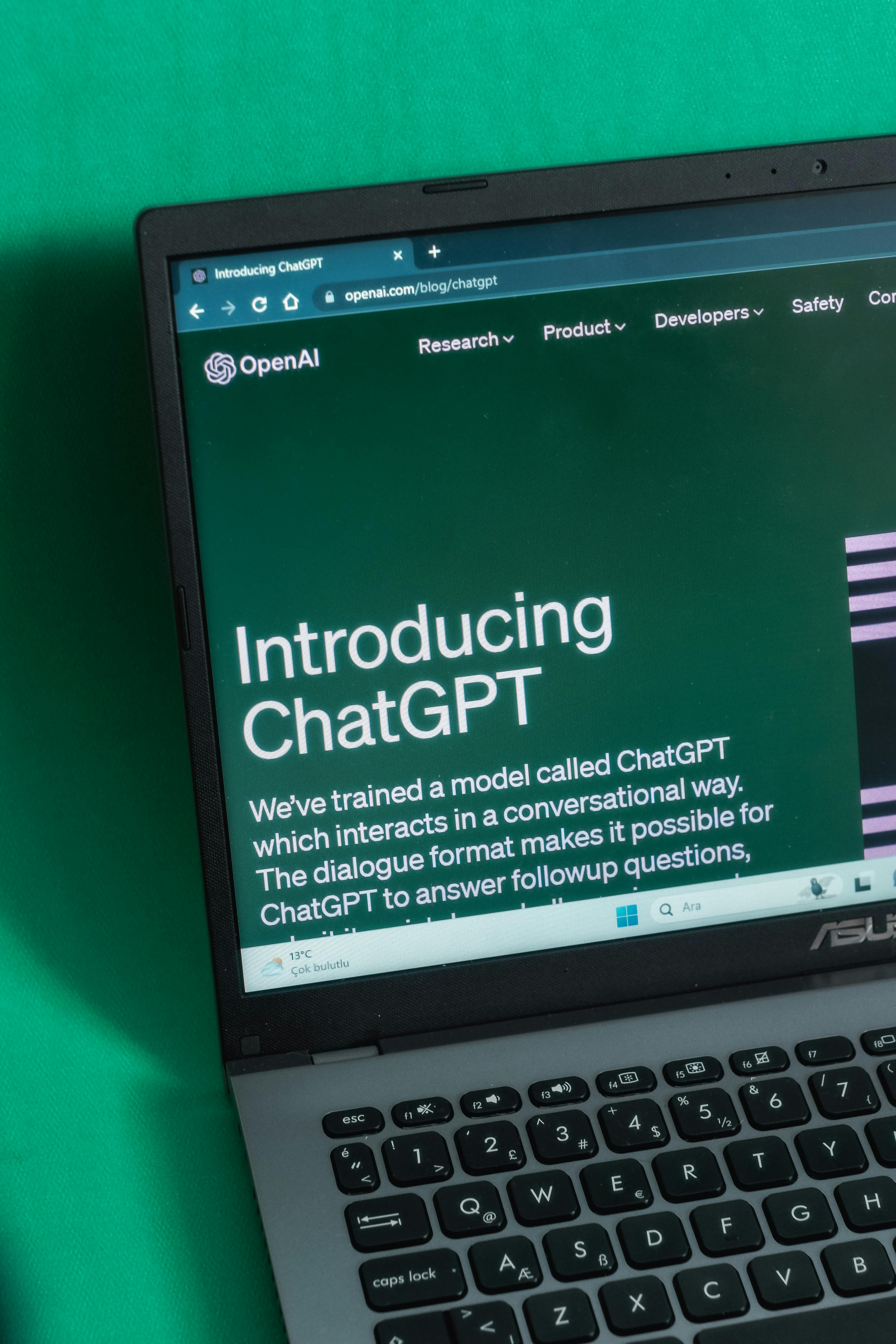
Why this matters is simple: when machines produce boilerplate and triage resumes, humans must do more judgment work, which means entry-level expectations shift toward systems thinking and communication. That shift affects how internships are structured, how mentors spend their time, and how newcomers prove their value. This is real.
Core Benefits/Importance
AI reduces repetitive manual work, which frees juniors to focus on higher-value tasks like systems thinking, design trade-offs, and cross-team communication, improving team throughput and reducing burnout. I’ve used code completion tools that speed up boilerplate work, and frankly they saved hours in sprint cycles by generating common patterns and suggested fixes, but those tools also created new review burdens because generated code needed careful scrutiny. This raises standards.

Automated hiring filters save recruiters time, but they also create new gatekeeping risks because automated screens often favor certain formats and keywords, meaning candidates who lack mentorship or coaching can be sidelined. I once watched a college friend with strong debugging instincts get filtered out because her resume didn’t match tokenized descriptors, and that was a wake-up call about equity and stewardship of talent. We must think about fairness.
Upskilling matters because tools change what counts as basic competency, and organizations that invest in training juniors to read AI output critically will win on long-term quality. At one firm I ran a mentorship sprint that paired juniors with seniors to review AI-suggested patches, and the result was fewer regressions and faster ramp-up. That approach works.
Step-by-Step Implementation/Guide
For candidates: invest in fundamentals first—data structures, algorithms, networking basics, and readable code—because tool knowledge without grounding is brittle. Then learn to use AI tools like code assistants, static analyzers, and automated dev environments—practice with them daily so you can critique the output and fix mistakes, and keep a public, well-documented repo that shows your reasoning. Showable projects and clear commit histories matter.
Practical steps you can take include building a small service, writing tests, and deploying it to a cloud provider, because those tasks show end-to-end thinking and practical skill across the stack. For evidence, do pair-programming sessions with a mentor or friend and record notes that explain design decisions, and put those notes in your repo to show how you think about trade-offs. Employers read that closely.
For hiring managers: change job descriptions to list specific outcomes and skills, not vague buzzwords, and include coding exercises that test reasoning rather than memorization. Add take-home projects that require using a toolchain similar to your stack, and assess how candidates interact with AI suggestions—can they spot errors and justify choices, which measures judgment and ethical responsibility. That helps reduce bias and improve quality.
See related career advice for crafting resumes and interview rubrics that reflect these expectations, and update your onboarding to teach juniors how to vet AI outputs in your specific environment. Finally, invest in mentorship programs and pair rotations so juniors learn stewardship and human dignity in work—small investments that compound. That is how teams scale craft.
Comparison Table
Below is a practical comparison between AI-augmented entry roles and traditional entry roles, based on observed hiring patterns and productivity studies.
| Feature |
AI-Augmented Entry Roles |
Traditional Entry Roles |
| Repetitive code production |
Faster with code assistants, reduces boilerplate |
Slower manual coding, more legwork |
| Screening process |
Automated resume parsing and pretests |
Manual recruiter review and phone screens |
| Skill emphasis |
Tooling, critical evaluation, systems thinking |
Syntax, rote tasks, isolated coding tests |
| Time to contribution |
Faster for standard tasks, requires oversight |
Slower ramp, hands-on mentorship |
| Risk of bias |
High if unchecked tool design and datasets |
High if human bias unchecked |
Interpretation: the table shows trade-offs—AI shortens certain feedback loops, but human stewardship is required to hold quality and fairness. If you prefer a pragmatic study, GitHub's Copilot research shows productivity gains in routine tasks but also highlights the need for review. For policy and workforce projections, McKinsey's analysis and Brookings both note displacement in some areas and creation in others, which means planning matters. Use that evidence to inform training investments.
Common Mistakes to Avoid
Relying on AI as an oracle is the top mistake I see; people treat generated code as final, and that creates silent bugs, technical debt, and fragile systems. I once accepted an AI-suggested refactor in production and spent a weekend reverting cascading edge-case failures—learn from that hard lesson and add code review guardrails. Be skeptical.
Focusing hiring solely on AI-savvy signals and ignoring human traits like collaboration, moral responsibility, and steady craftsmanship is another common error, because those human traits reflect the dignity of work and long-term organizational health. At one company I coached junior engineers to balance speed with stewardship, and the team shipped more sustainable features, which reduced firefighting and improved morale. That pays dividends.
Not measuring outcomes is a mistake many organizations make when they introduce new tools; they track usage but not impact, and so they end up with expensive subscriptions and no better product metrics. Instead, set measurable goals for ramp time, defect rates, and customer-facing performance, and compare cohorts with and without AI assistance to see real effects. Measure results.
Frequently Asked Questions
Will companies stop hiring juniors entirely? Not across the board, but some teams will reduce headcount for purely repetitive roles and invest in fewer, more skilled juniors who can evaluate AI output and make ethical choices. This favors candidates who practice reading code, communicating clearly, and demonstrating moral responsibility. It’s selective.
How should I prepare as a new grad? Practice fundamentals, build public projects with clear commit histories, learn to use AI tools thoughtfully, and show evidence of teamwork. Employers value candidates who can explain decisions and who show good stewardship of their skills. Start small.
Are AI hiring tools biased? Yes—both tooling and human screens can introduce bias, so use multiple assessments and human review to reduce unfair filtering. I recommend blind code reviews, standardized rubrics, and diverse interview panels to counteract that bias. Do that work.
For more on practical tools and code reviews, check our tools & reviews section where we compare linters, CI checks, and code-assist platforms, and include vendor-neutral advice. Also consult public studies like McKinsey, Brookings, and OECD for macro-level projections.
Final Thought
Change is coming, and your choices matter—train in fundamentals, use tools critically, and treat work as service to others, because dignity in labor still counts, and wise stewardship of talent and tools will keep teams healthy. When I was at Microsoft and later at Zulily I watched teams that invested in mentoring and ethical standards outperform those that chased short-term throughput with shiny tools, and that left a strong impression on me. Keep learning, be skeptical, and protect the dignity of your work. — Ermenildo V Castro