AI can speed up code, but it cannot erase physics. That is the hard truth behind the hardware bottleneck. Software teams ship fast because they have logs...
The Hardware Bottleneck AI Can’t Fix: Why Hardware Still Moves Slow
AI can speed up code, but it cannot erase physics. That is the hard truth behind the hardware bottleneck. Software teams ship fast because they have logs, tests, metrics, and cheap retries. Hardware teams do not. I’m Ernie Castro, and after years in software engineering, I’ve watched this gap punish even smart teams.
Key Takeaways- Hardware work is slowed by long build cycles, expensive mistakes, and weak feedback loops.
- Software teams enjoy better observability, testing, and automation.
- AI can help with analysis, but it cannot replace real-world hardware checks.
- Better data systems, like Nominal, help close the gap.
- Good hardware work still depends on discipline, stewardship, and care for the people building it.
What is the Hardware Bottleneck AI Can’t Fix?
The hardware bottleneck is the delay between a design change and the moment you know if it works. It shows up in chips, vehicles, robotics, satellites, medical devices, and factory systems. Software can fail fast and cheap. Hardware often fails slow and expensive. That difference matters a lot.
Here’s the kicker: AI can draft code, summarize logs, and spot patterns in test data, but it cannot bend silicon, solder joints, thermal limits, or compliance rules. A model may tell you what might be wrong. It cannot spin a turbine, heat a board, or survive a vibration test for you.
I saw this gap up close at large tech companies where software teams could test in minutes, while hardware groups waited on lab time, supply chains, and physical builds. One tiny change might take days or weeks to verify. That is not laziness. It is the cost of touching atoms.
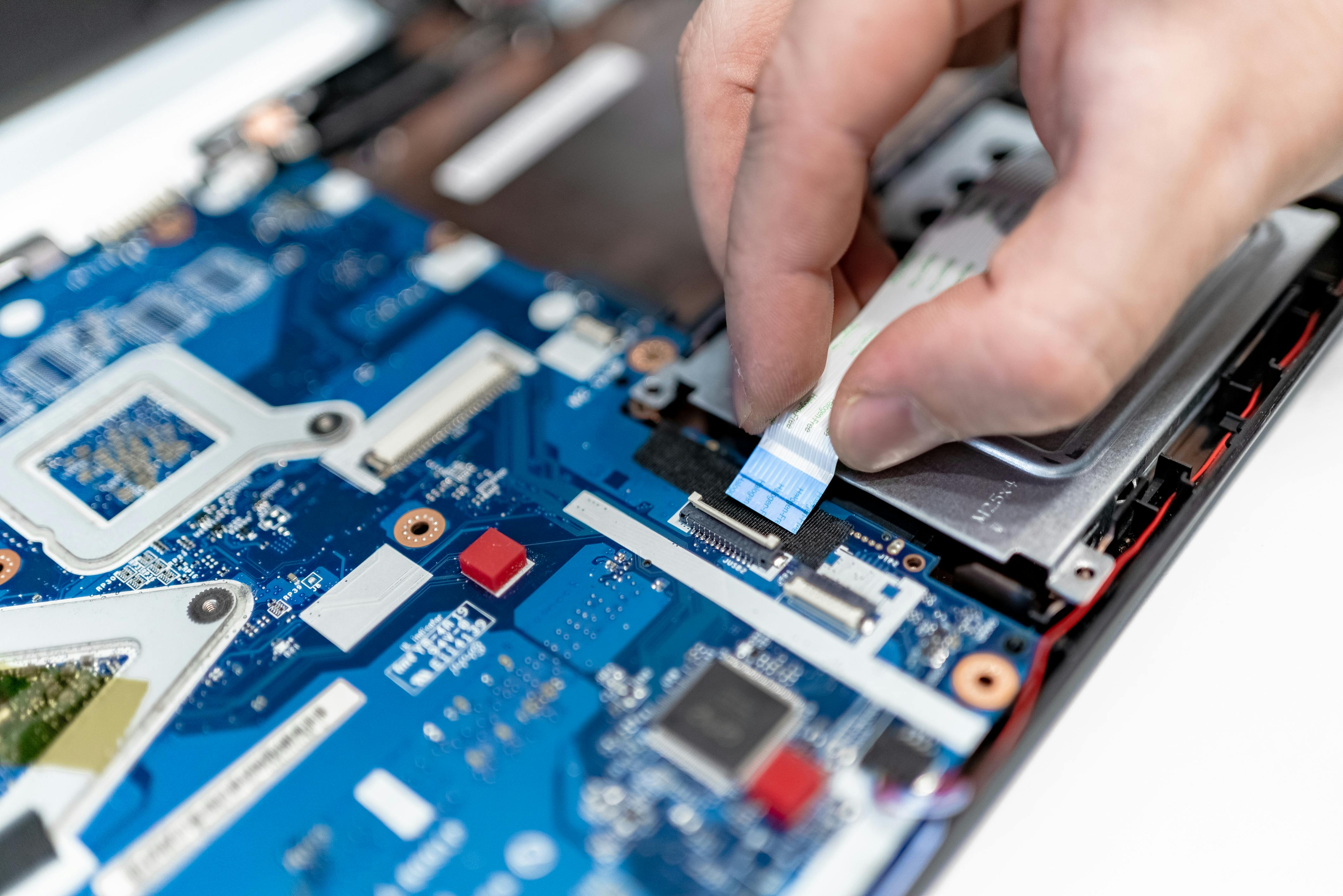
This is why hardware programs need stronger data plumbing, not more hype. They need telemetry, traceability, test automation, and clean records of what happened, when, and why. Without that, teams guess. And guessing is how you waste money.
The simplest way to say it: software lives in a world of copies, hardware lives in a world of parts. Copies are cheap. Parts are not.
Core Benefits of Fixing the Hardware Bottleneck
Better hardware data systems do not just save time. They save sanity. I’ve worked with teams where one broken test script created a week of confusion because nobody trusted the data. When the records got cleaner, the whole room got calmer.
- Faster debug cycles: Better logs and test history mean engineers stop re-running the same bad experiment.
- Less waste: If you know which parts failed and why, you do not burn money on repeat builds.
- Clear ownership: Good systems show who changed what, which matters when teams are large.
- Safer decisions: In aviation, medical tech, and robotics, a bad guess can hurt people. That is serious business.
- Better teamwork: Shared data cuts down blame games. Everyone sees the same facts.
- Smarter planning: Product leads can see where work gets stuck and make honest schedules.
Most guides pretend speed is the only goal. It isn’t. Quality matters. Human dignity matters too. A tired engineer staring at a broken test bench at 2 a.m. is not a badge of honor. It is a sign the process is broken.
When I was at Amazon and later at Zulily, I saw how strong instrumentation changed team behavior. People stopped arguing over opinions and started looking at evidence. That same habit belongs in hardware, maybe even more than in software.
The real benefit is trust. Trust in the numbers. Trust in the build. Trust that the next test will teach you something instead of wasting your week.
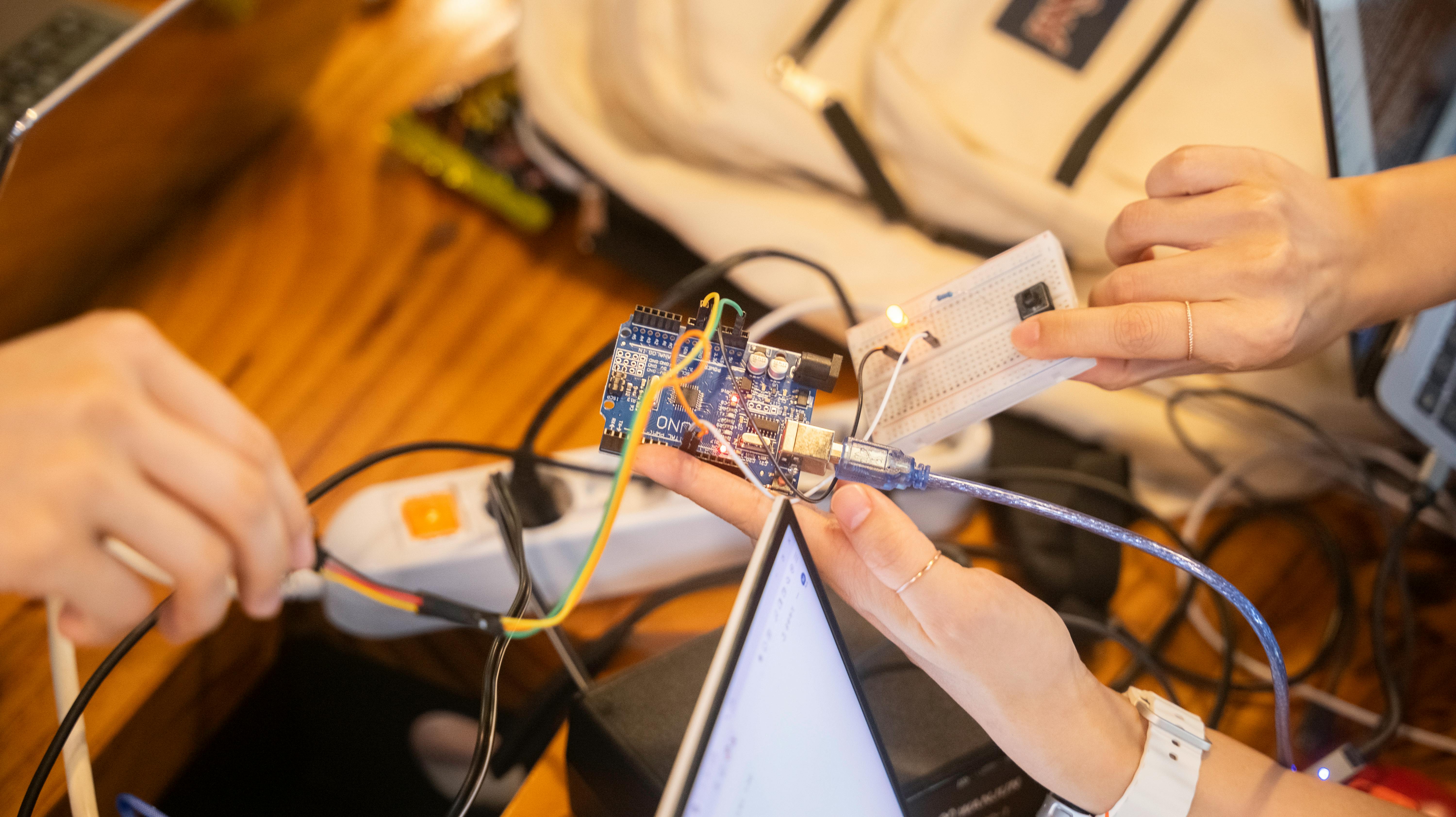
Step-by-Step Guide to Reducing the Hardware Bottleneck
You do not fix this with slogans. You fix it with systems. Frankly, that’s the part many teams avoid because it takes boring work.
- Map the full test flow
Write down every step from design to validation, including lab tools, manual checks, firmware steps, and approval gates. If you do not know the flow, you cannot shorten it. - Capture data at every stage
Store test results, device IDs, firmware versions, operator notes, and timestamps. I’ve seen teams lose days because one file name was off by one character. Ridiculous, but common. - Automate repeatable tests
If a task happens every day, automate it. Software teams learned this long ago. Hardware teams should do the same where the lab allows it. - Build one source of truth
Keep records in one place, not scattered across spreadsheets, chat threads, and someone’s laptop. That mess is how organizations lie to themselves. - Use AI where it fits
Let AI sort logs, detect patterns, and flag odd results. Do not ask it to replace physical checks. That would be foolish. - Shorten feedback loops
Run smaller tests earlier. Catch failures before full builds. This is simple wisdom, and it saves cash. - Review failures with care
Don’t shame people. Study the process. In good work, especially work that affects the public, the goal is truth and service, not ego.
If you want a deeper look at this idea, see Semianalysis for chip industry analysis, or Nature Engineering for broader engineering research. For operational learning and measurement, Honeycomb has useful material on observability that maps well to hardware telemetry.
The big lesson? Move from guesswork to evidence. That is how teams stop drowning in rework.
Comparison Table: Software Observability vs. Hardware Observability
Hardware teams often wish they had what software teams take for granted. They mostly do not. That gap is the problem.
| Area | Software Engineering | Hardware Engineering |
|---|
| Feedback speed | Minutes to hours | Hours to weeks |
| Test cost | Usually low | Often high |
| Retry ability | Easy and cheap | Slow and expensive |
| Observability | Rich logs, metrics, traces | Often fragmented or manual |
| Change tracking | Strong version control | Mixed, sometimes weak |
| Failure analysis | Fast root cause checks | Physical inspection needed |
| AI usefulness | Very high | Helpful, but limited |
| Main constraint | Code and systems complexity | Physics, supply chain, lab access |
The comparison is blunt because reality is blunt. Software wins on speed. Hardware wins only when the process is disciplined enough to survive the slowness.
This is why tools like Nominal matter. They help teams treat hardware data more like software data, which is overdue.
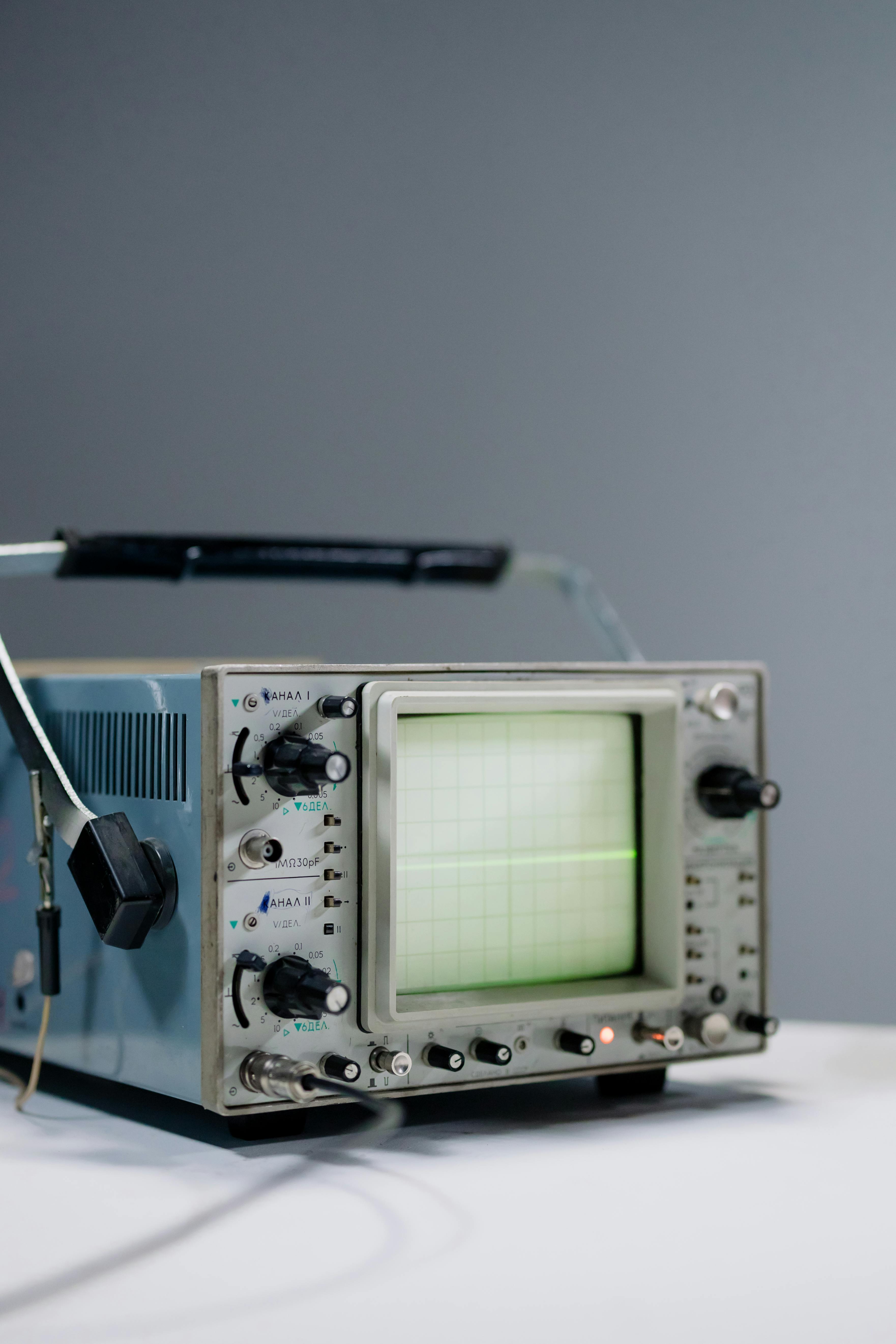
Common Mistakes to Avoid.
Most advice on hardware improvement sounds nice and fails in practice. I’m skeptical of anything that pretends AI alone will save a broken process.
- Mistake 1: Buying tools before fixing the workflow
If your process is messy, a shiny tool will only make the mess faster. - Mistake 2: Treating hardware like software
No, you cannot just “move fast and break things” when a broken thing costs $40,000 and three weeks. - Mistake 3: Ignoring data quality
Bad labels, missing timestamps, and weak version control make AI nearly useless. - Mistake 4: Over-trusting model output
AI can be clever and wrong at the same time. That is not a feature. - Mistake 5: Blaming people instead of systems
Good teams study causes, not scapegoats. That idea lines up with basic justice and the dignity of work.
One more thing nobody tells you: manual work is not always bad. Sometimes a human check catches what a machine misses. The goal is not blind automation. The goal is better judgment.
I’ve seen teams rush into dashboards and dashboards of dashboards, yet still miss the real issue. More charts do not equal more truth. Clean process does.
Frequently Asked Questions
Why can’t AI fully fix hardware bottlenecks?
Because hardware depends on physical parts, lab tests, and real-world conditions. AI can help analyze data, but it cannot remove the time and cost of physical verification.
What makes hardware feedback loops so slow?
Building, shipping, testing, and re-building take time. Supply chains, lab access, and safety checks slow things down too.
How can hardware teams use AI well?
Use AI to sort logs, find patterns, and flag strange test results. Do not use it as a replacement for real testing.
What is the biggest improvement hardware teams can make first?
Better data capture. If test results, versions, and device history are clean, everything else gets easier.
Final Thought
The hardware bottleneck is not a tragedy. It is a fact. Facts can be worked with.
I’ve spent enough years around software to know that speed feels good, but truth keeps the lights on. Hardware work demands patience, careful records, and a respect for the people doing the labor. That is not just management advice. It is a moral habit. Good tools should serve the common good, not hide errors or waste human effort.
If you are building hardware, do not wait for AI to save you. Build better systems, keep cleaner data, and treat every test as a chance to learn. That is how serious teams move forward. And yes, this is the kind of plain work that Ermenildo Valdez Castro, Jr. would still call worth doing well.