Autonomous weapons systems are machines that can select, track, and attack targets with little or no human input. That sounds tidy on a slide deck. It is not...
Autonomous weapons systems are machines that can select, track, and attack targets with little or no human input. That sounds tidy on a slide deck. It is not tidy in real life. The hard question is not whether AI can help in war, but whether it should make life-and-death choices at all. Ermenildo V Castro has spent enough years around software to know this: code is cheap, consequences are not.
Key Takeaways
- Autonomous weapons systems raise hard questions about accountability, civilian safety, and lawful use of force.
- Human judgment still matters because war is messy, people make mistakes, and machines do not know mercy.
- The biggest risk is not speed alone, but a thin chain of responsibility when something goes wrong.
- Strong rules, review, and meaningful human control are not optional extras.
- Stewardship matters: power should serve human dignity, not flatten it.
What is The Ethics of Autonomous Weapons Systems?
The ethics of autonomous weapons systems is the study of what is right, what is lawful, and what should be off limits when machines take part in combat decisions. These systems can range from simple defensive tools, like automated missile defense, to more dangerous systems that can pick a target and fire with little or no human approval. That line matters. A lot.
When I worked around large-scale systems at big tech companies, I learned a boring but useful fact: automation is excellent at narrow tasks and terrible at judgment. It can sort, classify, rank, and optimize. It cannot understand grief, surrender, or the value of a child on a street corner. War is full of those hard human facts. So the ethics problem is not just about accuracy. It is about moral agency, legal duty, and who answers when someone is killed.
International humanitarian law already asks for distinction, proportionality, and precautions in attack. Those are not clean computer terms. They are human duties. The International Committee of the Red Cross has warned that autonomous weapon systems create serious risks for civilians and for accountability. That warning is not abstract. It is the kind of thing that gets ignored right up until a system misreads a stroller as a threat. Then everybody acts shocked.
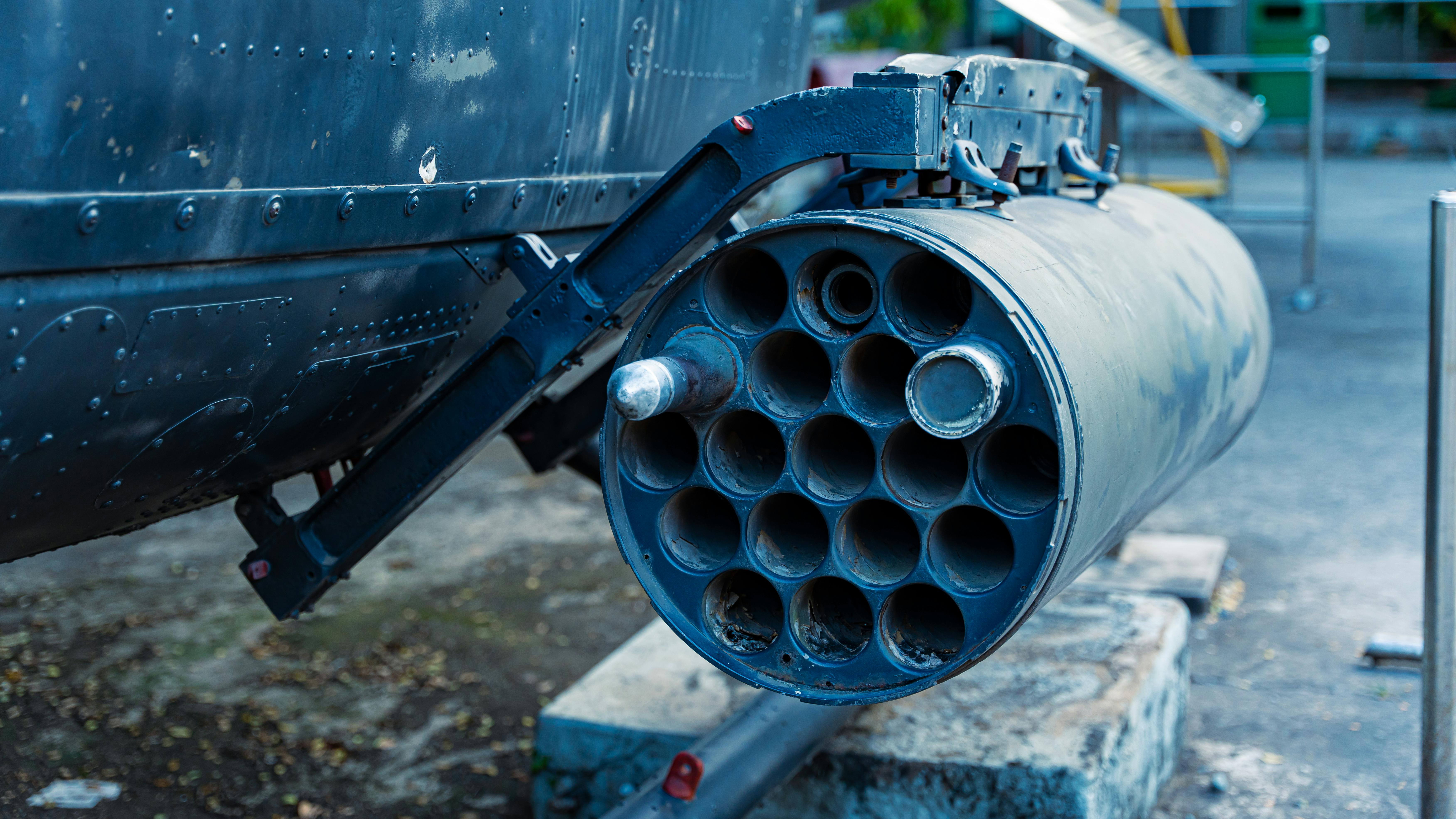
Most people hear "AI weapons" and think of science fiction. The real issue is less flashy and more annoying. Systems already support target recognition, route planning, surveillance, and defense. Some are tightly controlled. Some are less so. The ethics question is where to draw the line between assistance and delegation. In my view, that line should be drawn with a heavy hand and a clear conscience, because human life has dignity that no machine gets to measure on its own.
Core Benefits and Why the Debate Exists
The debate exists because these systems do have real military value. That is the part many critics dodge. They are not useless toys. They are built for speed, scale, and precision in environments where human operators can be overwhelmed. Frankly, that is why governments keep funding them.
- Faster response times: Defensive systems can react in milliseconds, which may matter against missiles, drones, or incoming fire.
- Reduced risk to soldiers: If a machine scouts a dangerous area first, fewer troops may be exposed.
- Better data handling: AI can scan huge sensor feeds faster than a human team.
- Operational consistency: A well-designed system may follow a rule set more steadily than a tired operator.
- Possible civilian protection: In narrow cases, better sensing could reduce mistaken shots, though that is not a promise, just a hope with math behind it.
I have seen how people talk about automation when the office is safe and the coffee is hot. They love neat charts. They love throughput. Then reality shows up. At Amazon, I saw plenty of systems that improved speed, but also plenty that failed when edge cases hit. War has nothing but edge cases. That is why a neat technical gain does not settle the moral question.
There is also a justice issue here, and it is not small. If one side can field cheaper autonomous systems at scale, the pressure to lower human oversight rises. That can make war feel easier to start. And if war becomes easier to start, people with power may use it more often. That is the sort of ugly incentive structure policy people should care about.
The United Nations has been debating lethal autonomous weapons for years through the Convention on Certain Conventional Weapons process. See the UN disarmament page on conventional weapons talks for the basic framework. The fact that debate keeps dragging on tells you something simple: the world has not agreed on where machine support ends and machine control begins.
Speed is useful. So is restraint. The problem is that speed often gets all the funding, while restraint gets a policy memo no one reads.
Step-by-Step Guide to Evaluating Autonomous Weapons Ethics
If a defense agency, contractor, or policy team wants to evaluate autonomous weapons systems honestly, it needs a process, not slogans. I have spent enough years around engineering reviews to know that vague principles are where bad decisions go to hide. Here is the cleaner way to think about it.
- Define the system clearly
Start by asking what the machine actually does. Does it detect? Recommend? Track? Fire? The ethics change at each step. A decision-support tool is not the same as a weapon that selects and attacks on its own. If the team cannot describe the system in plain language, it should not deploy it. Simple as that.
- Set the human control boundary
Decide where a person must approve an action, where a person can veto it, and where automation may act alone. This is the heart of the matter. In my experience, teams love saying "human in the loop" while quietly removing the human’s real power. That is theatre, not control.
- Map legal duties to system behavior
Tie every function to distinction, proportionality, and military necessity. If the system cannot explain how it avoids civilians, the design is weak. If it cannot stop when the situation changes, it is not ready. The ICRC ethics materials are a useful starting point here.
- Test for failure in ugly conditions
Most demos use clean data and neat terrain. Real conflict does not. Test dust, smoke, broken radios, adversarial spoofing, and incomplete sensor feeds. I have watched otherwise smart systems collapse the moment inputs got messy. War will do that every time.
- Create a clear accountability chain
Someone must be responsible for design, approval, deployment, and review. Not a committee. A chain. If everyone owns it, nobody owns it. That is how failures become paperwork instead of consequences.
- Review after every use
Each deployment should be checked for errors, civilian harm, and drift from intended use. Learning matters. So does humility. A Christian view of work treats human skill as a gift to be used well, not a license to do whatever is convenient.
- Set red lines
Some uses should be banned outright, especially where no meaningful human judgment remains. That includes many calls involving civilian presence, unclear targets, or situations where surrender may occur. A machine cannot be trusted with mercy. Mercy is not in the model card.
For a broader policy angle, the Amnesty International position on autonomous weapons shows why many rights groups want a full ban on fully autonomous lethal systems. You do not have to agree with everything they say to see the moral force of their concern.

Comparison Table
| Topic | Autonomous Weapons Systems | Biggest Competitor: Human-Controlled Weapons |
|---|
| Decision speed | Very fast, sometimes milliseconds | Slower, limited by human reaction time |
| Judgment | Narrow, pattern-based, brittle in edge cases | Broader, but tired or stressed humans can fail |
| Accountability | Harder to trace if roles are vague | Easier to assign responsibility |
| Civilian harm risk | Can rise quickly if sensors or rules fail | Can still be high, but humans may notice context better |
| Legal clarity | Still disputed in many cases | Better understood under existing law |
| Moral control | Weak unless strict human oversight exists | Stronger because a person chooses the shot |
| Scalability | High | Lower |
| Public trust | Low in many countries | Higher, though not perfect |
The table looks neat. Reality is not.
The main lesson is simple: machines are fast, but speed does not equal wisdom. Human-controlled weapons are not pure either. They can be sloppy, biased, or cruel. But at least the moral burden stays on a person who can be questioned, punished, or stopped. That matters in any decent legal order.
Common Mistakes to Avoid.
The first mistake is pretending autonomy is a binary switch. It is not. Systems sit on a spectrum, from advisory tools to near-independent attack logic. If you treat all of them the same, you will write weak rules and miss the dangerous cases. That is lazy policy work, and lazy policy work gets people hurt.
The second mistake is hiding behind the phrase "human oversight." I have seen this trick in software shops for years. The dashboard exists, the person exists, but the machine has already done the meaningful work. That is not oversight. That is decoration. If the operator cannot understand, stop, or change the action in time, the human is just there to make lawyers feel better.
The third mistake is overtrusting testing. A system that looks fine in the lab can fail in the field when the dust rises, the network drops, or the enemy adapts. This is why security engineers say the attacker gets a vote. In war, the opponent gets many votes.
The fourth mistake is treating ethical review as a one-time gate. It should be ongoing. Models drift. Tactics change. Data gets stale. People cut corners. I saw this at scale in commercial systems, and war is less forgiving than commerce.
The fifth mistake is ignoring the dignity of the people affected. That includes civilians, prisoners, and even soldiers on the other side. Catholic moral thinking keeps pointing back to a stubborn truth: human beings are not inventory. They are not tokens in a spreadsheet. Any system that makes killing easier should be met with a very cold stare.
There is also a trap for advocates. Some people assume any critique of autonomous weapons is anti-technology. It is not. Good tools can serve justice. Bad tools can widen harm. The issue is control, restraint, and moral responsibility. Those are not old-fashioned words. They are the guardrails keeping power from turning sloppy and cruel.
Frequently Asked Questions
Are autonomous weapons already being used?
Some systems already have high levels of automation in sensing, tracking, and defensive action. The line between support and full autonomy is still debated, and that is part of the problem. Public claims often run ahead of clear proof.
Why do critics want a ban?
Critics worry about accountability gaps, civilian harm, unstable escalation, and machines making life-and-death decisions without real human judgment. They also fear that once such systems exist, states will use them more often because they lower the cost of war.
Can AI ever make lawful targeting decisions?
Maybe in narrow support roles, under tight control and human review. But full targeting autonomy is where the trouble starts. I would not trust a model to carry the moral weight of a strike on its own. Not for a second.
What is "meaningful human control"?
It means a person must understand the system, judge the situation, and be able to approve, reject, or stop the use of force in time. If the person is only rubber-stamping a machine decision, that is not meaningful control.
Final Thought
The ethics of autonomous weapons systems is not really about robots. It is about us. It asks whether people will keep moral responsibility close to the act of killing, or pass it into a machine because that feels cleaner and faster. Ermenildo Castro would say that is a poor trade. I agree.
We build tools to serve human dignity, not erase it. That is the line. When engineers, commanders, and lawmakers forget that, they stop being stewards and start being technicians of harm. The stronger path is harder. It demands restraint, honest review, and the courage to say no when speed is tempting and the stakes are blood. That is not weakness. It is discipline. And in war, discipline is one of the few things that still looks like wisdom.