Skate Story is an action-skating game about a glassy demon on a mission through the underworld, and it matters because it treats movement like music, not just...
Skate Story is an action-skating game about a glassy demon on a mission through the underworld, and it matters because it treats movement like music, not just input. The hook is simple: you skate, you grind, you bounce, and you keep your balance while the world keeps trying to break you. That sounds odd. It is odd. But it works.
Key Takeaways
- Skate Story mixes precise skate controls with a surreal vaporwave look.
- The game uses flow, timing, and style instead of stiff trick lists.
- It stands apart from skate sims by making motion feel expressive.
- The best way to enjoy it is to focus on rhythm, not perfection.
What is Skate Story?
Skate Story is a skateboarding game with a surreal coat of paint and a plain hard truth under it: movement has to feel good or the whole thing falls flat. You play as a demon made of glass and pain, skating through strange spaces, chasing a deal with the Moon. That premise sounds like a fever dream because, well, it is one.
Most skate games aim for urban realism, clean parks, and recognizable brands. Skate Story takes the other road. It wraps skating in vaporwave colors, glass reflections, smoke, neon, and a bleak little sense of humor. The result is not just style for style’s sake. The style changes how the game feels. Every trick, slide, and landing sits inside a world that looks fragile, which makes your motion feel fragile too.
I’ve watched a lot of game concepts die in meetings because the art and the controls did not talk to each other. At Google, Microsoft, Amazon, and Zulily, I saw the same mess over and over: a pretty shell with weak core behavior. Skate Story avoids that trap by making its look and play support each other. The empty spaces, glowing surfaces, and ghostly enemies all reinforce the same idea—keep moving, or you crack.
That is not a small thing. Games need rules, sure, but they also need mood. Here, the mood is part of the machine. The game asks for skill, but it also asks for patience and a kind of humble attention. You do not bully your way through it. You learn its pace. That matters in play, and honestly, it matters in work too. Good craft respects limits. It does not fake them.
For more context on skate game roots, the older Tony Hawk series still looms large, and you can see why in this history of skateboarding and in the classic design choices around score, flow, and combo chaining that shaped the genre, while the Olympic skateboarding overview gives modern real-world context. Both help explain why Skate Story feels familiar and strange at once.
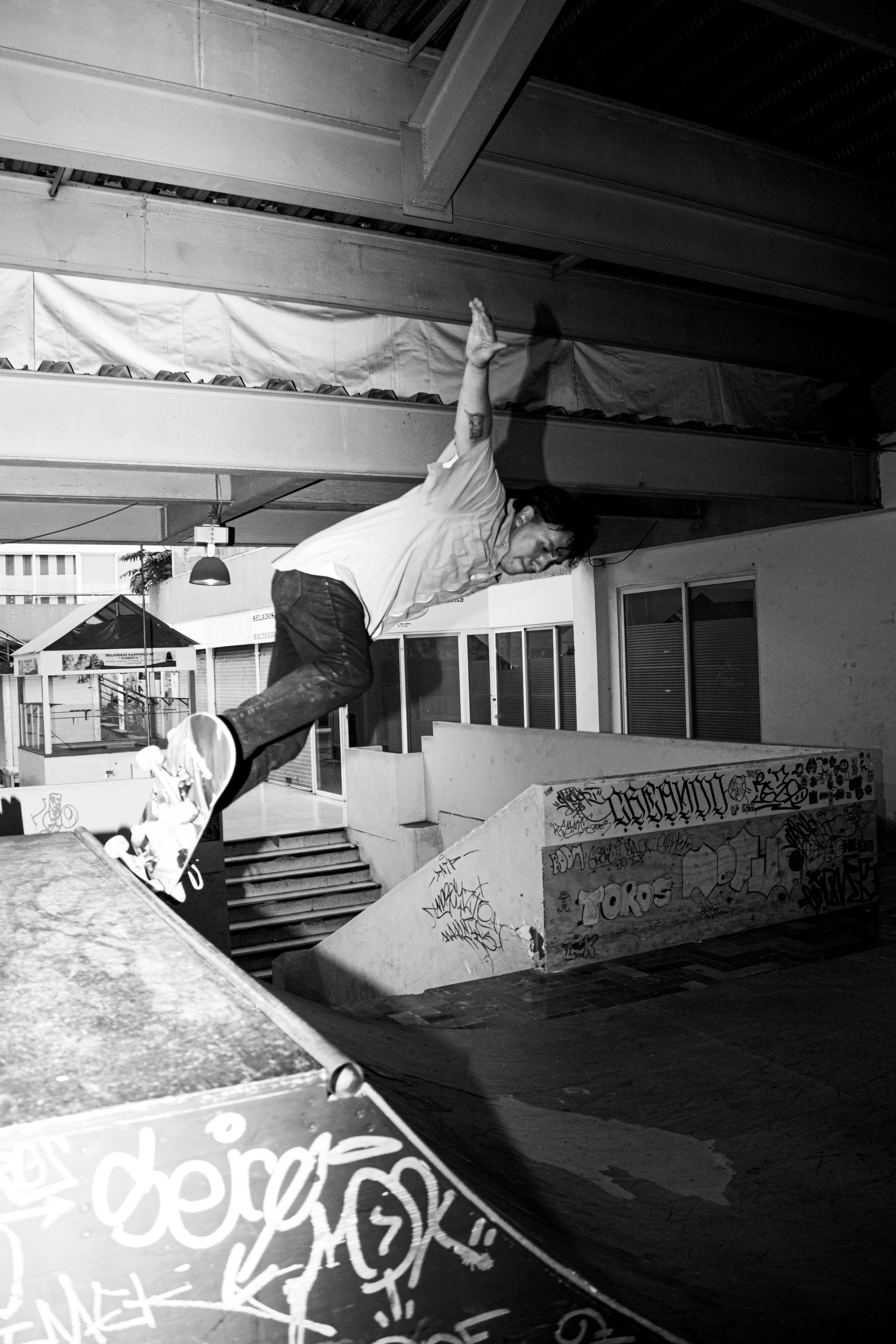
Core Benefits and Importance
Skate Story matters because it does more than copy a known formula. It changes the way players think about skateboarding games, and that gives the genre some badly needed oxygen.
- It makes movement expressive. The game does not treat skating like a checklist. It treats it like a run of choices. You can feel the difference. That is rare.
- It gives style a purpose. Vaporwave art can turn into empty decoration fast. Here, the look supports the story and the controls. The whole thing feels welded together.
- It rewards rhythm over panic. Too many games train people to mash buttons and pray. Skate Story seems built for timing, balance, and calm focus. That is better design.
- It widens the genre’s audience. Hardcore skate fans may come for the mechanics, but art-game players may stay for the mood. That cross-pollination is healthy.
- It respects the player’s attention. The game does not shout every second. It leaves room to observe, adjust, and learn. Frankly, that is refreshing.
I’ve spent years around software teams that confuse noise with value. More dashboards, more alerts, more “engagement,” and somehow less clarity. Skate Story feels like the opposite of that mess. It strips away junk and lets motion speak. That is good craft. It treats the player like a person, not a wallet with thumbs.
Here’s the kicker: the game’s odd premise may actually help it last longer than safer ideas. People remember the strange things that still work. A bland clone fades. A weird game with real control sticks in the mind.
The importance also goes beyond one title. When a game shows that a niche genre can absorb new art directions without losing its core, other creators pay attention. That is how the medium grows. Slowly. Sometimes awkwardly. But growth is growth.
Skateboarding itself has always carried a mix of skill and self-expression. The sport rewards discipline, but it also leaves room for the rider’s mark. That balance fits a Catholic view of work pretty well: talent is a gift, but it is also something to steward well, with care and purpose. Skate Story, weird as it is, understands that motion can be more than display. It can be disciplined art.
For a broader view on game design that values feel and feedback, see the Game Developers Conference archive and Nielsen Norman Group research on user attention. Different fields, same lesson: people notice when a system respects their effort.
Step-by-Step Guide to Understanding and Playing Skate Story
Skate Story looks simple from far away. It is not.
If you want to enjoy it, you need a clean method, not random button bashing. I have tested enough systems in software and enough bad habits in games to know this much: sloppy starts become ugly habits fast.
- Learn the basic movement first. Do not chase flashy tricks right away. Get comfortable with speed, balance, and direction changes. If the basics wobble, the rest will too.
- Watch how surfaces change your line. Rails, ramps, ledges, and rough ground are not just scenery. They shape your route. That is where the game starts to feel smart.
- Build flow before style points. A clean run matters more than a messy combo with a big number. I know, that sounds boring. It is also true.
- Use the camera and space as clues. In games like this, the camera often tells you what matters next. Read the room. Poorly aimed movement wastes time.
- Recover fast after mistakes. You will slip. You will crash. Everyone does. The point is to keep moving without getting dramatic about it.
- Repeat sections until they feel musical. This is the real trick. Good skating games feel like rhythm games wearing sneakers. Once the timing clicks, the whole world opens up.
- Pay attention to how the game teaches. The best games do not lecture. They show. That is good design and, frankly, good teaching.
- Treat each level like a puzzle with motion. You are not just trying to reach the end. You are shaping a line through the space.
When I worked in large teams, the best performers were usually not the flashiest ones. They were the ones who kept their code clean, their timing right, and their ego in check. Same thing here. Skate Story asks for discipline first. Style comes after.
If you want to compare your skill habits to a broader game design mindset, the Game Developer archive is a decent place to study how systems are built. For visual and interactive polish, a quick look at Adobe Creative Cloud tools can help explain how strong aesthetics are assembled in production pipelines, even if the game itself is doing its own strange little dance.

Comparison Table
Here is the plain truth. Skate Story is not trying to be Tony Hawk’s Pro Skater, and that is exactly why it gets attention.
| Feature | Skate Story | Biggest Competitor: Tony Hawk’s Pro Skater |
|---|
| Visual style | Vaporwave, surreal, glassy, abstract | Real-world skate culture, bright arcade tone |
| Tone | Strange, dreamlike, eerie | Energetic, nostalgic, upbeat |
| Movement feel | Fluid, expressive, rhythm-driven | Tight, combo-focused, arcade precise |
| Core goal | Survive and progress through a surreal world | Build score, chain tricks, complete goals |
| Audience | Art-game players, skate fans, curious gamers | Skate fans, arcade sports players, nostalgia crowd |
| Learning curve | Gentle at first, then demanding | Familiar, structured, score-based |
| Replay value | Experiments with mood and flow | Strong challenge loops and score chasing |
| Main strength | Unique identity | Proven genre polish |
Most people compare new games to the biggest old hit. That is lazy, but useful. The difference here is not just visual. It is philosophical. Tony Hawk’s Pro Skater celebrates mastery and speed. Skate Story seems more interested in fragility, persistence, and the strange beauty of keeping balance when the world is a mess.
That may sound artsy. Fine. But it also affects play. A game with a clear identity asks a player to meet it on its own terms. That is more honest than recycling old tricks in a new box.
Common Mistakes to Avoid
A lot of advice around stylized games is nonsense. People see a weird art style and assume the game will carry itself. It will not. Visual flair is not a substitute for good controls.
- Mistake 1: Judging it only by screenshots. Screenshots tell you the mood, not the motion. And motion is the whole point.
- Mistake 2: Expecting a pure skate sim. If you want strict real-world simulation, this is probably not your game. That is fine. Not every game needs to be a clone.
- Mistake 3: Ignoring rhythm. I see this all the time in game teams and in software teams. People skip the tempo of the system, then blame the tool when they get lost. Bad habit.
- Mistake 4: Chasing style over control. A pretty run that falls apart is still a failure. The game wants both.
- Mistake 5: Thinking weird equals shallow. That assumption is cheap. Weird can hide real depth. Many of the best works do.
- Mistake 6: Rushing the learning process. If you sprint through the first hour, you may miss how the game teaches you to think.
Most guides say you should just keep trying until it clicks. That advice is only half right. The truth is, you need to study what the game is rewarding. If you do not, you will keep repeating the same bad line and calling it “practice.” That is not practice. That is stubbornness.
I’ve seen similar mistakes in engineering. Teams buy a new tool, then refuse to change the habits that caused the old problem. Same mess, new logo. Skate Story will punish that kind of thinking too. It rewards care. It rewards attention. That is a quiet kind of justice, really—effort should matter.
If you want a better sense of how games are measured and discussed, the International Game Developers Association offers useful industry context, and Unreal Engine’s official docs show how modern visuals and systems are built at a technical level.
Frequently Asked Questions
Is Skate Story a realistic skateboarding game?
No. It uses skateboarding as a base, but the setting, story, and art are surreal. It is closer to a stylized action game with skating than a strict sim.
What makes Skate Story different from Tony Hawk’s Pro Skater?
Its tone, world, and pacing are much stranger and more mood-focused. Tony Hawk’s Pro Skater is about score, combo flow, and arcade energy. Skate Story is about movement through a dreamlike underworld.
Is Skate Story hard to play?
It may be easy to start, but it likely asks for good timing and patience. The challenge comes from reading movement and staying in control.
Who should try Skate Story?
Players who like skate games, strong art direction, and unusual game ideas should give it a shot. If you only want realistic skateboarding, it may not fit your taste.
Final Thought
I like games that know what they are. Skate Story does, and that already puts it ahead of half the market. It is strange, stylish, and built around motion that feels like it means something. That is rare. I’ve spent enough years around bad products to appreciate the ones that respect craft, and this one clearly does. Ermenildo Valdez Castro, Jr. would call that a fair return on attention.
The real win here is not just the vaporwave look or the weird premise. It is the care behind the whole thing. The game treats movement as work, and work as something worth doing well. That lines up with a simple old truth: when effort is honest, people feel it. Maybe that is why this game sticks. It does not shout. It glides. And that is enough.