Predictive modeling is the workhorse behind many systems that feel smart. It scores fraud, filters loan risk, and ranks product recommendations using...
Predictive modeling is the workhorse behind many systems that feel smart. It scores fraud, filters loan risk, and ranks product recommendations using structured data from tables, not magic. I have seen this play out at scale at Google, Microsoft, Amazon, and Zulily, and the same lesson kept showing up: clean inputs beat fancy hype.
Key Takeaways- Predictive modeling turns past data into likely outcomes.
- Structured, relational data still does most of the heavy lifting.
- Good feature design matters more than trendy model choice.
- Bad labels, leaky data, and weak checks wreck results.
- Real systems need monitoring, not just a one-time training run.
What is Predictive Modeling?
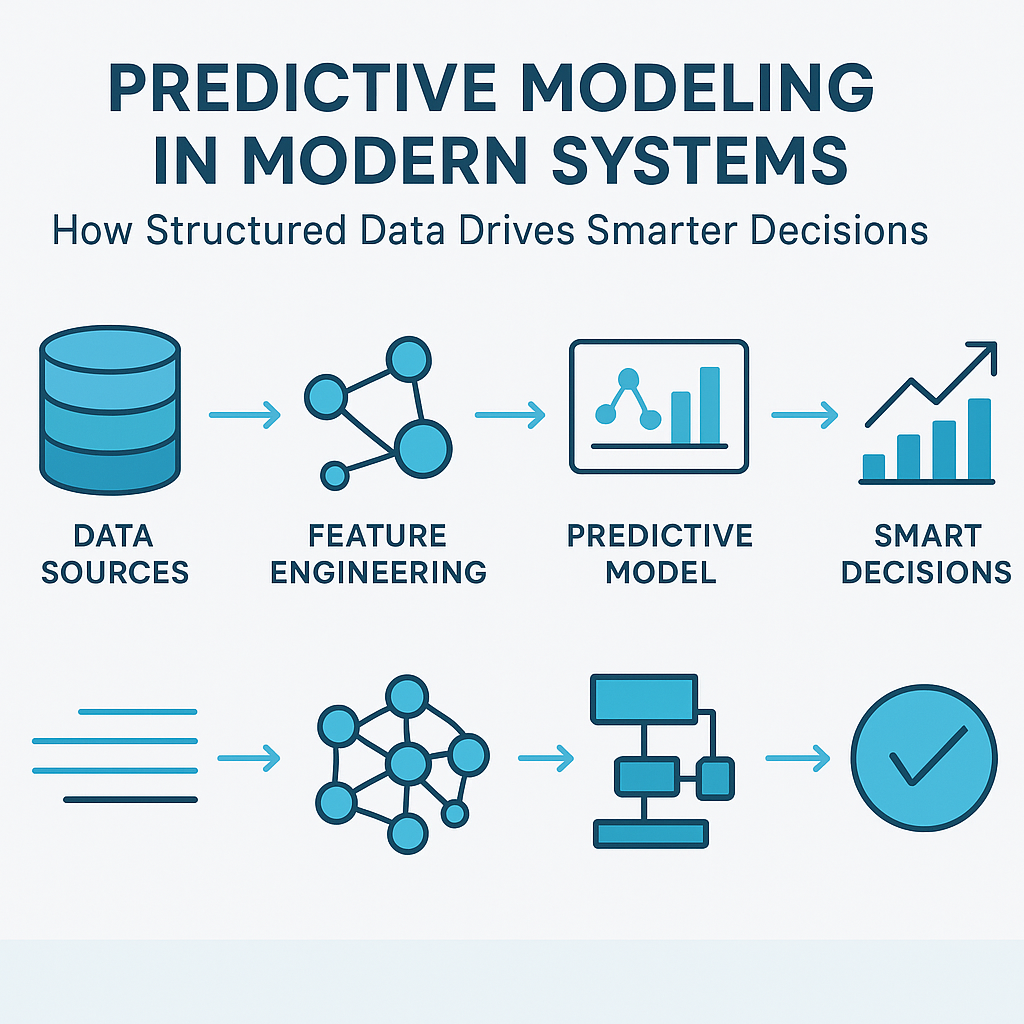
Predictive modeling is the use of data, statistics, and machine learning to estimate what may happen next. It takes known inputs, like customer age, payment history, device type, or purchase frequency, and maps them to a likely outcome, such as fraud, default, churn, or a click. Simple enough. The hard part is making it work in the mess of real business data.
Most production systems do not run on perfect training sets. They run on rows in databases, linked by keys, full of gaps, duplicates, stale values, and odd business rules. That is where predictive modeling earns its keep. It turns relational data into decisions that a system can use right away. Fraud teams use it to block bad transactions. Banks use it to estimate risk. Retailers use it to suggest what product to show next. The model is only one piece, though. The pipeline around it matters just as much.
I learned this the hard way more than once. At Amazon, I worked on systems where the model looked strong in offline tests, but the live business result was weaker because the data shifted under our feet. The tables were not wrong, exactly, but they were incomplete in ways that mattered. Frankly, that is the usual problem. The spreadsheet version looks neat; the real world is muddy.
Predictive modeling also carries a duty. If a model affects access to money, goods, or jobs, then its errors are not small. A bad prediction can hurt real people. That is why good teams treat these systems as stewardship, not toys. Measure carefully. Check fairness. Keep human review where needed. That is just basic moral sense.
For a deeper look at how data quality shapes model output, see this practical guide on predictive analytics and this overview of predictive analytics from Google Cloud.
Core Benefits and Importance
Predictive modeling matters because it helps organizations act before trouble hits. That sounds obvious, but most teams still wait until a problem gets loud enough to hurt. A model can flag a fraud pattern in seconds, while a person would need hours. It can rank a loan applicant by risk, while a manual review queue would choke. It can suggest a product a shopper is likely to want, which often beats random guessing by a mile.
Here is the kicker. Predictive modeling is not only about speed. It is about consistency. People get tired. Rules drift. Managers make judgment calls that vary from shift to shift. A well-built model gives the business a steady baseline. That does not mean it is always right. It means it is repeatable, measurable, and improvable.
- Faster decisions: Fraud and risk systems can score events in real time.
- Better targeting: Recommendation engines can match offers to user behavior.
- Lower costs: Automation cuts the time spent on manual review.
- Pattern detection: Models can spot weak signals hidden in millions of rows.
- Scalable judgment: A model can process far more cases than a team of people.
When I worked on large commerce systems, the best gains came from small, boring changes. A better feature column. A cleaner join. A more honest label. Not glamorous. Still true. At Zulily, for example, even simple prediction improvements could shift how items were surfaced to shoppers, and that changed revenue in a way no slide deck could fake. Everyone likes to talk about “AI.” Few people want to do the plumbing.
There is also a fairness angle. If a model makes decisions about credit, access, or safety, then the team must care about due process in a broad sense. Data should be used to serve people, not chew them up. That fits a Catholic view of work pretty well: talent is a trust, and trust is for the common good.
For related background, the CFPB explains how lenders use automated models in credit decisions in its credit scoring guidance, and the Federal Reserve has useful notes on credit and lending data.
Step-by-Step Implementation Guide
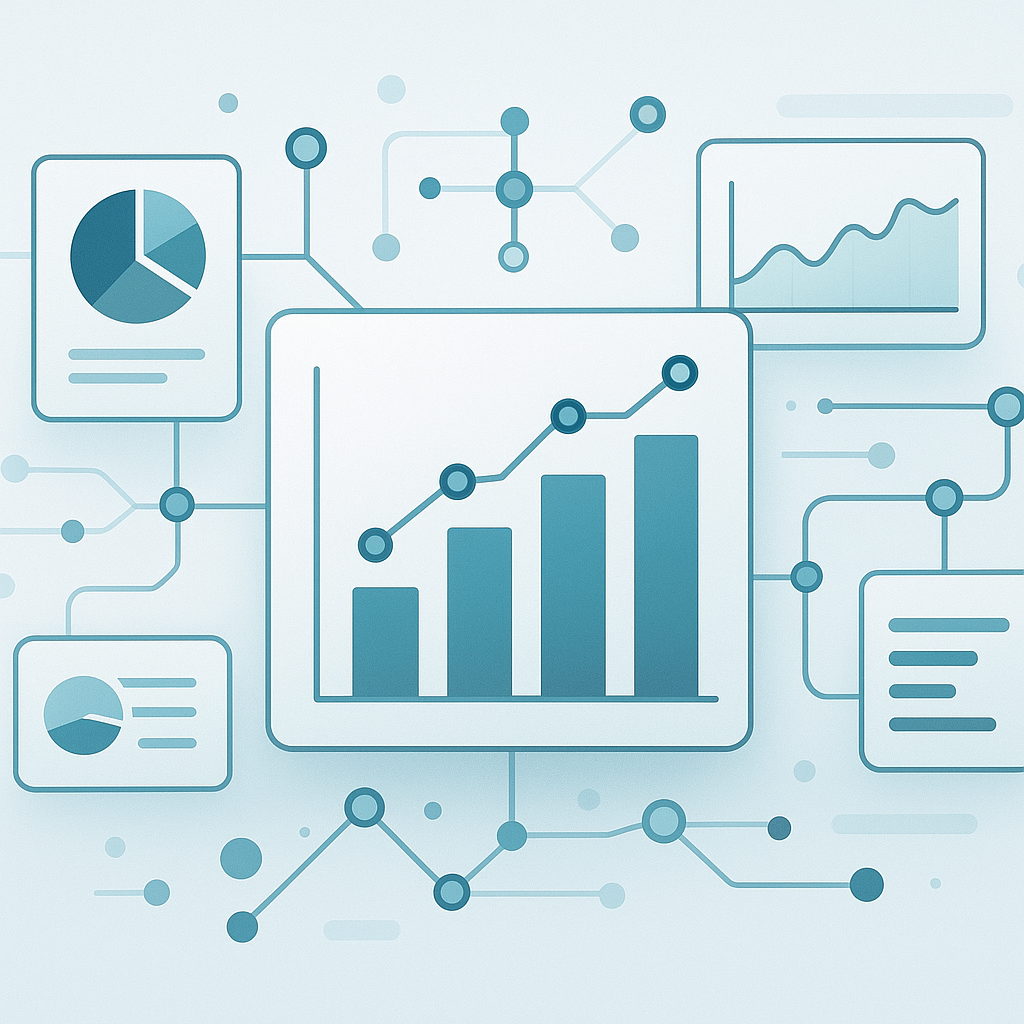
Predictive modeling works best when teams treat it like a system, not a one-off experiment. Most failures happen because people rush the model and ignore the data path. I have seen that movie too many times. It ends badly.
- Define the decision first
Start with the business question. What are you predicting, and what action follows? Fraud? Default? Churn? Click-through? Be specific. A model without a decision is just math theater. When I reviewed product work at Microsoft, the sharpest teams started with the action, not the algorithm.
- Gather structured data
Pull from relational tables, logs, and trusted business systems. Use stable keys. Watch for duplicates and missing joins. Structured data still dominates many real deployments because it is easier to audit and explain than free-form text or images. If a field is too noisy to trust, do not pretend otherwise.
- Clean and label carefully
Labels are where many teams trip. If your fraud label arrives late, or your churn label is defined poorly, the model learns nonsense. I have seen teams celebrate high accuracy while training on labels that were flat-out wrong. That is not progress. That is a trap.
- Build features with common sense
Features should reflect real behavior. Payment velocity, account age, device changes, basket size, and return frequency often matter more than flashy variables. Avoid leaking future information into the past. That mistake is sneaky and ugly.
- Pick a baseline model first
Do not start with the fanciest thing in the room. Logistic regression, decision trees, and gradient-boosted trees still win a lot of production battles on tabular data. The old tools are old for a reason. They work.
- Test with honest validation
Use time-based splits when time matters. Use holdout sets. Check calibration, not only accuracy. A model that ranks well but lies about probability can still cause trouble. I have watched teams chase a tiny metric gain and miss the real business cost.
- Deploy with monitoring
Watch drift, latency, and feature quality after launch. A model is not done when it ships. That is when the real work starts. Set alerts for broken feeds, unusual score shifts, and sudden drops in conversion or approval quality.
- Keep humans in the loop
Some cases need review. Do not hand every edge case to automation and hope for the best. Human judgment is slower, yes, but it can catch rare situations that the model never saw. That balance matters.
If you want a broader software view of how this fits into production systems, this guide on MLOps practices is solid, and so is the official AWS machine learning page.

Comparison Table
| Aspect | Predictive Modeling on Structured Data | Biggest Competitor: Rule-Based Systems |
|---|
| Core method | Learns patterns from historical data | Uses fixed if-then rules |
| Flexibility | Adapts as data changes | Hard to update at scale |
| Accuracy potential | Often higher on messy real data | Can work well for simple cases |
| Explainability | Moderate, depends on model choice | Usually easy to explain |
| Maintenance | Needs retraining and monitoring | Needs rule upkeep and exception handling |
| Best use cases | Fraud, lending, recommendation, churn | Simple thresholds, compliance checks |
| Weak spot | Needs good data and labels | Breaks when patterns get complex |
Common Mistakes to Avoid
Most guides tell you to “just try more models.” That advice is lazy. Frankly, the real problems are usually upstream. Bad data, fuzzy labels, leaky features, and weak evaluation will ruin even a strong algorithm. I have seen teams blame the model when the real failure was the pipeline.
One common mistake is training on the wrong time slice. If you use future data to predict the past, your metrics will look beautiful and your production results will stink. Another mistake is chasing accuracy alone. In fraud detection, for example, false negatives and false positives have different costs. In lending, calibration and fairness matter a great deal. In recommendations, the model may be “accurate” but still annoy users.
Another bad habit is ignoring data drift. Markets change. People change. Device behavior changes. A model trained last quarter can age fast. That is why monitoring is not optional. It is part of the job.
I also distrust teams that skip documentation. If no one can explain where a feature came from, who owns it, and how often it updates, then the system is brittle. That is poor stewardship. Good engineering should leave the next person less confused, not more.
- Leaky features that include future information.
- Bad labels that do not match the business goal.
- Overfit models that ace training but fail live.
- No monitoring after deployment.
- No human review for edge cases.
- Fancy modeling too early before the data is ready.
The truth is, simple often wins. At Microsoft, I saw teams get more value from cleaner features than from a deeper model stack. At Amazon, I saw how tightly managed data quality could save weeks of pain later. The lesson was not subtle.
If you want help spotting these issues in practice, this feature engineering guide is a useful reference, and this model evaluation overview from scikit-learn is worth bookmarking.
Frequently Asked Questions
What data works best for predictive modeling?
Structured, historical data usually works best when the goal is to predict business outcomes. Tables with reliable labels, clear timestamps, and stable keys are the sweet spot. Messy data can still work, but only if you clean it well.
Is predictive modeling the same as machine learning?
Not exactly. Predictive modeling is a use case. Machine learning is the larger set of methods behind it. You can use statistical models, trees, or neural nets, but the goal is still the same: predict an outcome from inputs.
Why do so many models fail in production?
Because production is rude. Data drifts, labels are delayed, upstream jobs break, and business rules change. A model that looked strong in a notebook can fall apart when real traffic hits it. Monitoring and retraining matter.
Are rule-based systems still useful?
Yes. For simple compliance checks or hard business limits, rules can be clearer and safer. The best teams use both. Rules for guardrails. Predictive models for pattern-based scoring.
The work is serious.
Predictive modeling is not about worshiping math or worshiping software. It is about making careful decisions with the data you have, while remembering that people sit on the other side of every score. That part matters. I still think of the best systems I helped build as tools that served real work, not as trophies. Ermenildo V Castro would call that good engineering, but I would call it basic decency.