Observability is the practice of understanding what a system is doing by studying its metrics, logs, and traces. It helps engineers spot failures, find root...
Observability is the practice of understanding what a system is doing by studying its metrics, logs, and traces. It helps engineers spot failures, find root causes, and cut the time users spend stuck in broken code. I’ve seen it save ugly releases more than once, and that is why I care about it, Ermenildo Valdez Castro, Jr. speaking plain and simple.
Key Takeaways
- Observability means using signals from real systems to explain behavior.
- Metrics, logs, and traces work best together, not alone.
- Good observability cuts mean time to detect and mean time to repair.
- Tools matter, but good instrumentation matters more.
- The best teams treat observability as stewardship of user trust and system health.
What is Observability?
Observability is the ability to infer the internal state of a software system from the data it emits. That sounds formal, but the idea is plain: if a service is sick, the clues should be there. Metrics show trends, logs show events, and traces show the path a request took through many services.
When I worked on large retail systems, I learned the hard way that dashboards can lie by omission. A chart may look calm while one tiny dependency fails every tenth request. Most guides act like dashboards are enough. They are not. A real system is noisy, messy, and full of side doors. If you only watch one window, you miss the fire in the other room.
I saw this again at Google and Amazon, where a single user action could cross queues, caches, APIs, and third-party services. The systems were built by smart people, but smart people still leave blind spots. Observability exists because complexity does not care about your meeting notes.
Good observability is not about hoarding data. It is about asking useful questions and keeping enough evidence to answer them. That matters for users, and it matters for the people who carry the pager at 2 a.m.
For a related read, see our notes on software engineering practices, debugging distributed systems, and incident response basics.
Core Benefits of Observability
- Faster detection: You can spot a bad release before the whole service goes sour.
- Faster diagnosis: Traces and logs help you stop guessing and start fixing.
- Better reliability: You can find weak spots before they become outages.
- Less noise: Good signal design cuts alert spam, which is a gift to human sanity.
- Better teamwork: Product, support, and engineering can look at the same facts.
I have watched teams burn days arguing over whose graph was right. That is a waste. When the data is clear, the meeting gets shorter and the fix comes sooner. Frankly, that is rare and beautiful.
Observability also supports justice in a small but real way. Users should not pay the price for a broken release they cannot see. Engineers should not be trapped fixing what the system should have explained on its own. Clear signals respect both people and their time.
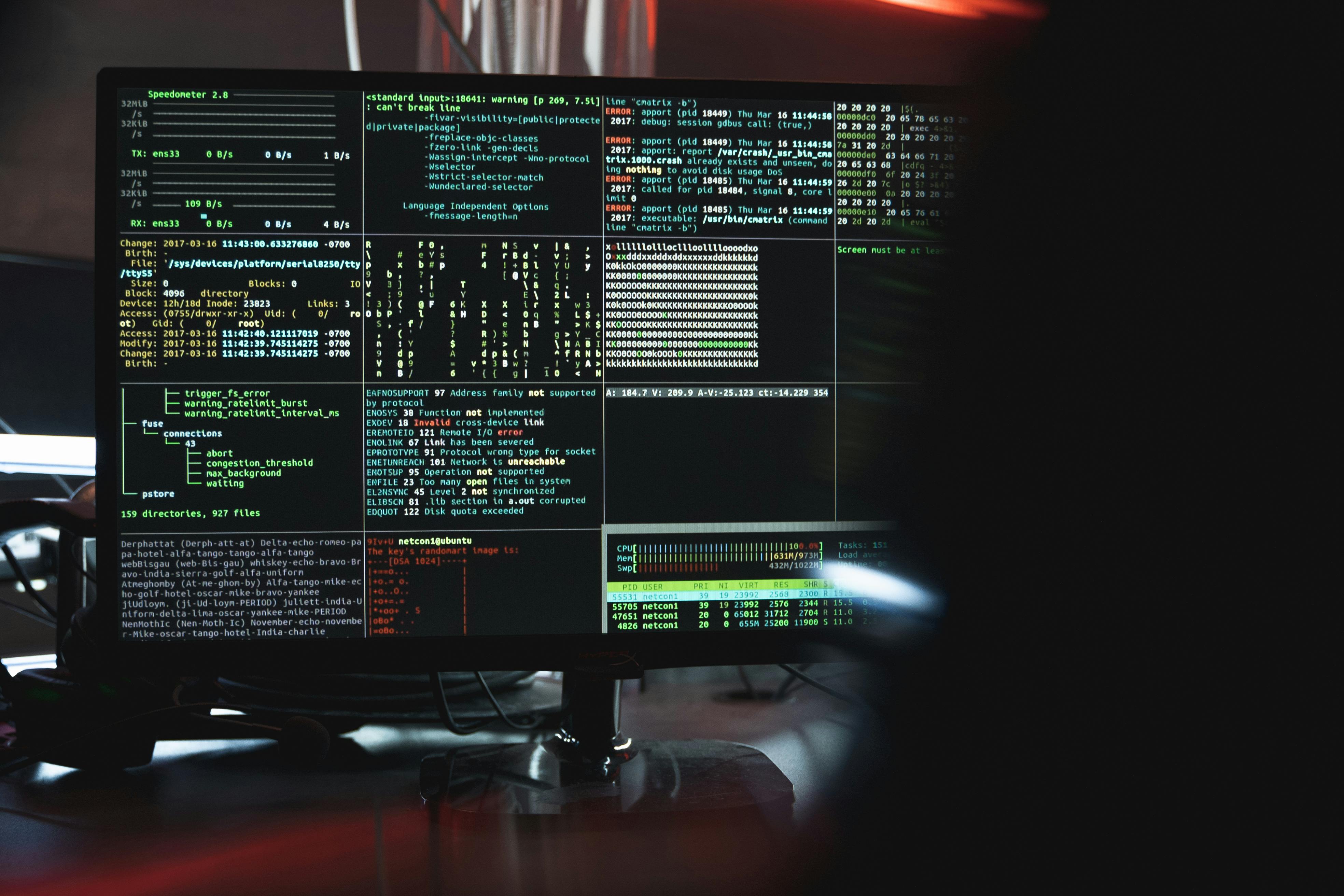
Step-by-Step Guide to Observability
- Define the questions you need answered. Ask what failure modes hurt the business and the user.
- Instrument the right signals. Add metrics, logs, and traces at the important boundaries.
- Use meaningful labels. If every tag is noisy, the data becomes trash.
- Create dashboards for decisions, not decoration. If nobody acts on it, it is wall art.
- Set alerts with care. Alert only on symptoms that matter, not every twitch.
- Review incidents after the fact. Capture what the system hid and what the team missed.
I’ve found that teams often begin with too much data and too little purpose. That is backward. Start with the user pain, then work back to the signal you need. In Seattle, where rainy days can turn into long debugging sessions, I learned to prefer simple answers first. Complicated tools can wait.
The truth is, observability improves when the people running the system help design it. Operators know the rough edges. Developers know the code paths. Support knows which complaints repeat. Put those views together and the picture sharpens.
Comparison Table
| Observability | Monitoring |
|---|
| Explains why a system behaves a certain way | Tells you that something is wrong |
| Uses metrics, logs, and traces together | Often focuses on metrics and alerts |
| Helps debug unknown problems | Helps watch known conditions |
| Fits complex distributed systems | Fits simpler, well-bounded systems |
| Supports faster root-cause analysis | Supports threshold-based alerting |
Most teams need both, but observability covers more ground when services multiply and failure paths hide in the cracks.
Common Mistakes to Avoid
- Treating observability as a tool purchase. Tools help, but they do not think for you.
- Logging everything. That just creates expensive noise.
- Ignoring trace context. Without it, a request is just a rumor.
- Writing alerts for engineers instead of users. No one needs a ping because a graph blinked.
- Copying someone else’s setup without understanding your own system.
I am skeptical of advice that says, “Just buy this platform and you are done.” That is nonsense. You still need clear signal design, honest ownership, and people willing to fix the root cause. I have seen fancy stacks fail because the team never agreed on what mattered.

Frequently Asked Questions
What is the difference between observability and monitoring?
Monitoring checks known conditions, while observability helps explain unknown problems by combining multiple signals.
Why do metrics, logs, and traces matter together?
Each one tells part of the story. Metrics show patterns, logs show details, and traces show request flow.
How does observability reduce downtime?
It shortens the time to detect, diagnose, and fix issues, which reduces the impact of failures.
Can small teams benefit from observability?
Yes. Even simple systems get easier to run when the team can see what the system is doing.
Final Thought
Observability is not fancy decoration. It is a practical habit of respect for users, for engineers, and for the work itself. I’ve spent enough years in big companies, from Google to Microsoft to Amazon to Zulily, to know that the best systems are the ones that tell the truth. Ermenildo Valdez Castro, Jr. would call that plain good stewardship, and I would agree.