Nvidia’s open AI coalition and new developer tooling signal a practical shift in how teams build AI systems. The point is not flashy demos. It is faster...
Nvidia’s Open AI Coalition and New Developer Tooling: What It Means for Builders, Teams, and the Road Ahead
Nvidia’s open AI coalition and new developer tooling signal a practical shift in how teams build AI systems. The point is not flashy demos. It is faster shipping, shared standards, and fewer dead ends.
Key Takeaways:
- Nvidia is pushing open collaboration around AI tooling and ecosystem work.
- New developer tools matter because they reduce friction in setup, testing, and deployment.
- The real value is not hype; it is repeatable work for teams under pressure.
- Open AI coalitions can help smaller teams, but only if the tools stay honest, documented, and usable.
- If you work in software, DevOps, or platform engineering, this affects how you plan your stack.
What is Nvidia’s open AI coalition and new developer tooling?
Nvidia’s open AI coalition is a broad push to get companies, developers, and open-source projects working from more common parts and shared methods. The new tooling side is simpler: better SDKs, libraries, deployment helpers, and model development tools that make AI work less messy.
I have seen this pattern before. At Google, Microsoft, Amazon, and later at Zulily, the same truth kept showing up: teams do not fail because they lack ideas. They fail because the plumbing is ugly, and the handoffs are bad. A coalition sounds fancy, sure. But the real test is whether it helps engineers avoid wasting three weeks on setup drama.
Frankly, that matters. When Nvidia talks about open AI work, it is not only about models. It is also about the ecosystem around them—GPUs, inference stacks, data pipelines, monitoring, and the miserable little errors that break a release at 2 a.m. If you want a plain view of the market conditions, read the official Nvidia AI platform pages and the open-source work around Nvidia developer tools. For broader AI policy and model behavior context, the NIST AI Risk Management Framework is worth your time.
Here’s the kicker. Open does not mean safe by default. It means more people can inspect, improve, and reuse the work. That is good stewardship when done well. It also means more room for confusion when nobody owns the mess.
Nvidia’s push sits in the middle of a larger shift. AI is moving from lab toy to production utility. Teams want less ceremony and more proof. That is where developer tooling earns its keep.
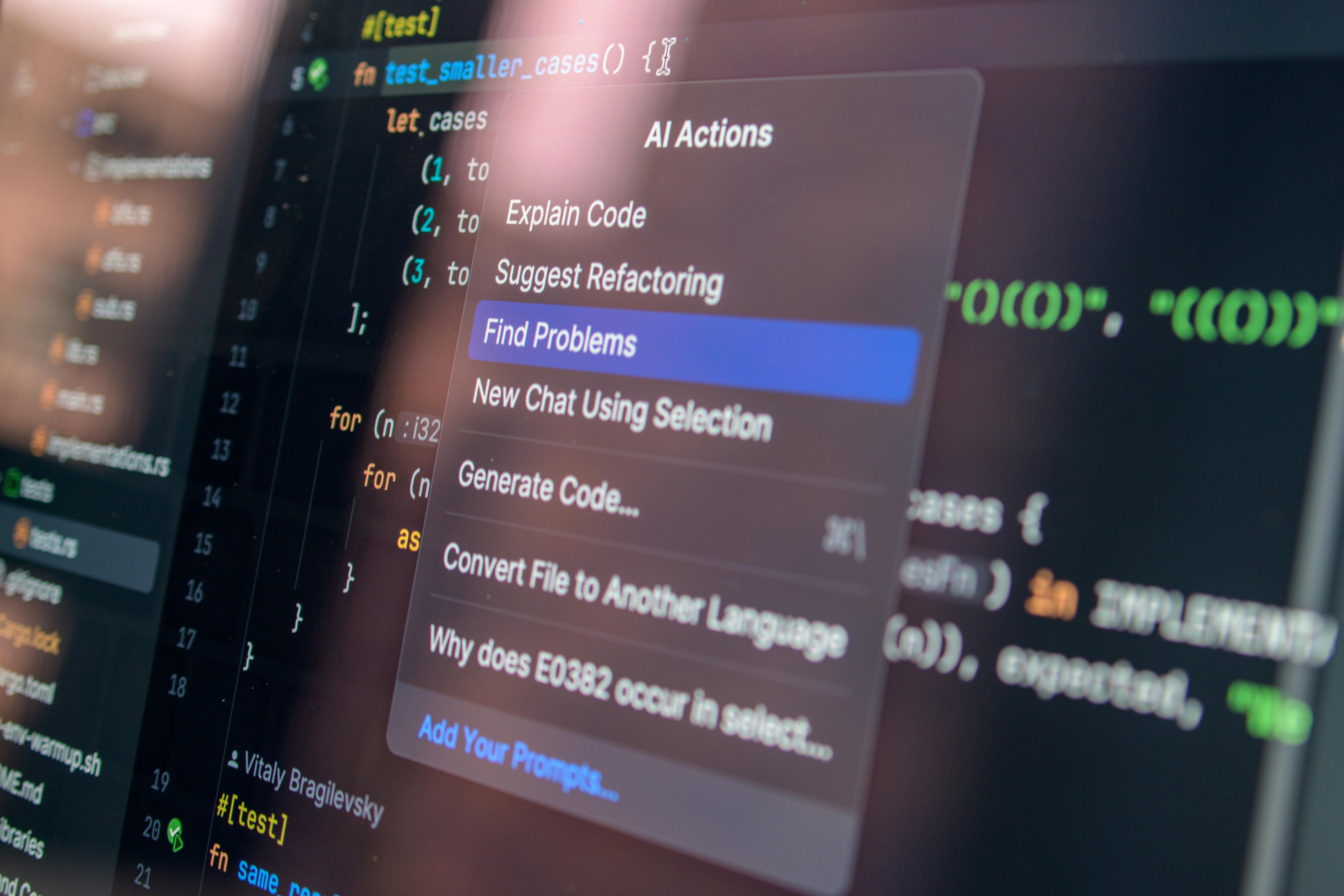
Core benefits of Nvidia’s open AI coalition and tooling
The biggest benefit is speed.
But not the fake kind, where a slide deck says “move fast” and everyone smiles like they have not been burned before. Real speed means fewer setup steps, cleaner libraries, and less time stuck on glue code.
- Shared tooling reduces wheel-reinventing. I have watched teams rebuild the same dataset loaders, inference wrappers, and deployment scripts over and over. That is waste. Shared tools cut that waste down.
- Open collaboration helps smaller teams. Big companies can throw bodies at problems. Smaller teams cannot. Open coalitions let them borrow patterns that already work.
- Better developer experience lowers error rates. I have seen good engineers make dumb mistakes when the stack was clumsy. The tool is supposed to help the person, not bully them.
- Faster experimentation improves decision-making. If it takes a week to test a model change, teams guess. If it takes an hour, they learn.
- Cleaner ecosystem support helps operations teams. The people who keep systems alive at night need stable APIs, logs, and predictable release paths.
I remember one rollout where the model itself was not the problem. The problem was everything around it: serialization, environment drift, and a build image that broke under load. That is the sort of nonsense a good tooling layer can reduce.
Most guides talk about AI as if the magic lives in the model weights. That is lazy thinking. The model is only one piece. The rest is data quality, governance, deployment, and the human work of checking whether the system helps users instead of wasting their time.
There is also a moral side. In my view, good engineering respects people’s labor. Tools should not create chaos for the sake of a demo. They should support the dignity of the work, which is a very old idea and still the right one.
If you want a related view on shipping complex systems, see BMC integrating mainframe systems into modern CI/CD pipelines for how legacy and modern stacks can coexist. That kind of work is not glamorous, but it pays the bills and keeps systems honest.
How to evaluate and use Nvidia’s tooling in real teams
Start with a problem.
Not a trend. Not a keynote. A real problem with a deadline and a cost.
- List the workflow you want to fix. Write down what slows you down: data prep, model training, inference, deployment, monitoring, or all of it. I have seen teams buy tools before naming the pain. That is backwards.
- Check the integration points. Look at your cloud, your CI/CD path, your container setup, and your observability stack. A tool that only works in a clean demo is not a tool. It is a prop.
- Test on a small production-like case. Do not start with the biggest workload. Start with one service, one model, and one clear success metric. You want proof, not theater.
- Measure setup time and failure points. Track how long it takes to get from clone to working build. Count the weird errors. This sounds dull because it is. It also saves money.
- Review security and compliance early. Who can access data? Where do secrets live? What gets logged? AI tooling often moves fast here and breaks trust. That is a bad trade.
- Use open-source where it helps, but not blindly. Open source can be excellent. It can also be under-documented and brittle. I have fixed enough mystery issues to know that “popular” does not mean “ready.”
- Set a rollback plan. Every new stack needs an exit path. If the tool fails on Friday night, can you revert without drama? If not, keep working.
- Teach the team the why, not only the how. People use tools better when they understand the reason behind them. That includes product folks, SREs, and engineers. Shared understanding cuts down on bad handoffs.
Here is what nobody tells you: the best AI tooling is boring in production. That is praise, not criticism. Boring means stable. Stable means your team can sleep.
If you are also thinking about the future of AI work itself, this piece pairs well with AWS CEO says AI software fears are overblown, because the business side and the engineering side are tied together whether people admit it or not.

Comparison Table
The competition is not one company.
It is the usual mess of cloud platforms, open-source stacks, and custom in-house builds.
| Approach | Strengths | Weaknesses | Best Fit |
|---|
| Nvidia open AI coalition + tooling | Strong hardware-software pairing, mature developer support, broad ecosystem, faster deployment paths | Can feel tied to Nvidia hardware, vendor gravity is real | Teams that want strong performance and practical integration |
| Cloud-native AI stacks | Easy cloud deployment, managed services, less infra work | Higher long-term costs, less control, vendor lock-in | Teams moving fast with limited platform staff |
| Pure open-source AI stack | Flexibility, transparency, lower entry cost | More assembly required, more maintenance burden | Teams with strong engineering maturity |
| Custom in-house platform | Full control, tailored workflows | Expensive, slow to build, hard to maintain | Large orgs with specific compliance or scale needs |
The table is blunt because the tradeoffs are blunt.
I have worked in places where the platform team tried to build everything from scratch. It looked noble at first. Then the maintenance bill arrived. That is usually how hubris collects its rent.
Nvidia’s edge is that it understands both sides of the stack. Hardware matters. Software matters. The paper cuts in between matter too. If the coalition keeps improving shared tools while staying open enough for real developer use, it could beat more polished marketing from competitors.
But let us not kid ourselves. A good stack is not just about speed. It is about fit. If your team needs simple deployment and strong support, a managed cloud platform may still win. If you need control, the open stack may be better. If you need raw performance at scale, Nvidia has a strong case.
For broader technical context on AI governance and deployment risk, see NIST AI RMF and the Open Compute Project for infrastructure thinking that often shapes these choices behind the curtain.
Common mistakes to avoid
The first mistake is worshipping the announcement.
Big news drops, people clap, and then nobody checks whether the tooling actually solves the ugly parts. I have seen that movie too many times.
- Treating open as automatic quality. Open collaboration is not magic. It still needs tests, docs, and maintainers.
- Ignoring integration debt. New AI tools often create new seams in the stack. If those seams are weak, the whole thing leaks.
- Skipping operational checks. Monitoring, rollback, and cost controls are not side quests. They are the work.
- Buying into demo bias. Demos are crafted to look smooth. Production is where the truth lives.
- Forgetting the team. If only one engineer understands the new stack, you do not have a platform. You have a risk.
Most advice says to “move fast and iterate.” That is fine until it tramples quality. In my experience, the smarter move is to go narrow first, then widen only when the stack proves itself. Slow is not always bad. Sometimes it is responsible.
I have also seen companies ignore legal and privacy concerns because the model results looked great. Bad choice. Data is not just fuel. It carries human value, and people deserve better than careless handling. That is where stewardship stops being a church word and becomes an engineering rule.
If your team works with old systems, modern pipelines, or both, the lessons from mainframe CI/CD integration still apply: the hardest part is often not the tool itself, but the way it touches everything else.
Frequently Asked Questions
What is Nvidia’s open AI coalition?
It is a broad effort to support shared AI development through open collaboration, ecosystem partners, and developer tools that make building and deployment easier.
Why does new developer tooling matter in AI?
Because AI work is not just model training. It includes data, builds, deployment, testing, and monitoring. Better tooling cuts friction and mistakes.
Is Nvidia’s approach only for large companies?
No. Smaller teams can benefit a lot, especially when they need performance and a faster setup. But they still need solid engineering habits.
Should teams replace existing AI platforms with Nvidia tooling?
Not automatically. The right answer depends on cost, control, compliance, and how much your team already has working.
Final Thought
I do not trust shiny launches by default.
That habit came from years of seeing good ideas buried under weak execution, and from working with teams at Google, Microsoft, Amazon, and Zulily where the difference between success and noise often came down to the boring parts nobody wanted to own. I, Ermenildo Valdez Castro, Jr., have learned that the real win in AI is not spectacle. It is useful work, done well, with enough humility to fix what breaks.
Nvidia’s open AI coalition and developer tooling matter because they point toward a more honest kind of progress. The tools are only worth something if they help people build faster, ship safer, and waste less effort. That is the whole ballgame. Not hype. Not slogans. Just work that holds up under pressure.
And if the stack serves people, not the other way around, then it is doing something right.