Monorepo migration for JVM repositories is the practice of moving many Java, Kotlin, or Scala codebases into one shared repository so teams can reduce...
Monorepo Migration for JVM Repositories: How to Reduce Dependency Drift Without Breaking Everything
Monorepo migration for JVM repositories is the practice of moving many Java, Kotlin, or Scala codebases into one shared repository so teams can reduce dependency drift, simplify builds, and keep versioning under control. I have seen this done badly and well, and the gap is huge. Back when I worked across large engineering groups, the biggest pain was not code size. It was mismatch, where one service used an old library and another used a patched one, and nobody could explain why production acted strange.
Key Takeaways
- A monorepo can cut dependency drift by forcing shared version choices and central build rules.
- It works best when teams invest in build tooling, code ownership, and change discipline.
- The hard part is not moving files. The hard part is changing habits.
- A monorepo is not magic, but it can make your codebase cleaner, safer, and easier to reason about.
What is a monorepo for JVM repositories? It is a single source repository that holds many related JVM projects, such as Java services, Kotlin libraries, shared test helpers, and build logic. Instead of each team running its own little kingdom, the code lives together, with one set of rules for dependency versions, shared modules, and release patterns. That sounds neat on paper, but the real reason teams do it is simpler: fewer surprises. I have watched teams burn weeks on version skew, where one repo updated Jackson, another stayed behind, and a harmless change turned into a fire drill. Frankly, that is a waste of good engineering time.
The biggest promise of a monorepo is consistency. If your build plugins, dependency locks, and internal APIs sit in one place, then the team can spot conflicts before they spread. Tools like Bazel, Gradle composite builds, and Maven reactors can help, but none of them save you from poor habits. You still need clear ownership, good reviews, and a reasoned way to merge shared code. In my own work, the teams that treated code like a shared public trust did better than the teams that treated it like junk in a drawer. That lines up with a basic moral rule too: if you steward common tools well, everybody benefits.
What is a Monorepo for JVM Repositories?
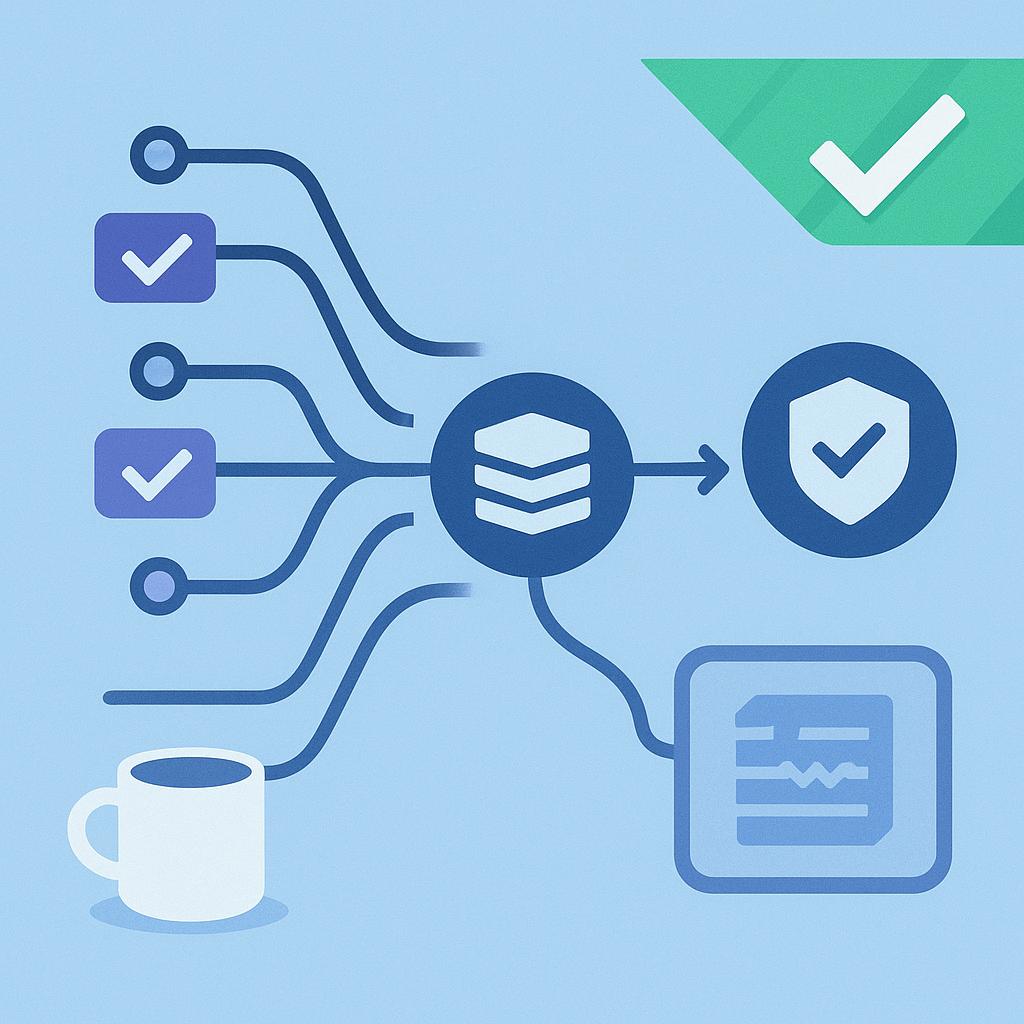
A monorepo for JVM repositories is one repository that holds many related Java, Kotlin, or Scala projects, along with shared libraries, build scripts, and test helpers. Instead of keeping every app in its own small box, the team keeps them under one roof, which makes version control, dependency updates, and cross-team changes much easier to see.
I have worked in setups where teams used polyrepos for years because it felt tidy. On paper, that looked fine. In practice, it got messy fast, because a small change in one repo had to be copied by hand into five others, and every copy had a different release date, a different test gap, and a different excuse. Frankly, that kind of drift is how you get surprise bugs in production.
A monorepo changes the rules. Shared code lives in one place, so the team can update a library once and use it everywhere. That matters a lot in JVM work, where libraries like Spring, Jackson, Netty, JUnit, Mockito, and internal clients can affect many services at once. If one service uses an old patch level and another uses a newer one, you do not just get noise. You get risk.
The point is not to make everything identical. That would be silly. The point is to make the shared parts visible. When dependency versions, code generation, and build plugins sit in the same repository, teams can reason about the whole system instead of guessing. I like that because it respects the dignity of the work itself. People should spend time building useful things, not babysitting version mismatches.
There is also a practical side. JVM systems often depend on transitive libraries, annotation processors, and code generation steps that can break in strange ways. A monorepo helps you spot those changes faster. If you pair it with strong CI, clear module boundaries, and sane ownership, you can reduce the old headache of "it works on my repo." And yes, that joke is old, but the pain is real.
A good monorepo is not a giant code dump. It is a disciplined home for related systems. That difference matters.

Core Benefits of Monorepo Migration
The benefits are real.
When teams use a monorepo well, they stop wasting time on version drift, duplicated fixes, and tangled release schedules, and they also get a cleaner view of how services connect, which makes security work and maintenance less of a slog. Here is the kicker: the value shows up most when the codebase gets boring, because boring code is usually stable code.
- Less dependency drift: One shared repo makes it easier to pin and update versions of internal and external JVM libraries. I once saw three services drift apart on Guava and Jackson, and the cleanup took days. A shared repo would have made that drift obvious much earlier.
- Faster cross-service refactors: If you need to rename an API, change a DTO, or adjust a shared client, you can do it in one change set. No more hunting across ten repos like a lost tourist.
- Better CI consistency: Shared build rules mean fewer surprises between teams. You can check style, security, tests, and dependency policy the same way across all modules. For CI patterns, see CircleCI's engineering updates and their work on validation flows.
- Stronger security control: If one repo has a stale library with a known CVE, that risk can hide for months. In a monorepo, dependency scans and patching become much easier to enforce.
- Cleaner code ownership: Clear module boundaries and review rules make it easier to know who owns what. That is not just an org chart trick. It is a practical way to protect product quality.
- More honest testing: Shared integration tests catch breakage sooner, especially when services use the same base classes or contract checks.
I remember one quarter when a small auth change broke a downstream batch job no one had touched in months. The job used a stale client library and had drifted so far from the main path that nobody noticed it until payroll-related alerts lit up. That kind of mess is avoidable. Not always easy. But avoidable.
The other upside is team learning. When people see how other modules solve the same problems, they pick up better patterns. That can be a blessing if the team has discipline. It can also be a curse if one bad pattern spreads like a rash. So yes, the monorepo helps the good stuff spread faster. It also spreads the bad stuff faster. That is why stewardship matters.
For more on JVM modular change management, it helps to study patterns used in large codebases, like the ones discussed in Google's monorepo infrastructure write-up and continuous integration guidance from Martin Fowler. The lesson is plain: tools help, but shared discipline helps more.
Step-by-Step Implementation Guide
The migration must be staged.
If you try to shove 450 JVM repositories into one monorepo at once, you will create a long, ugly week, and maybe a few new swear words, so the sane way is to move in waves, prove the process, and then scale it with less drama. I learned that the hard way. Twice.
- Map the full inventory
Start by listing every repository, service, library, scheduled job, build script, and deployment path. Include owners, runtime versions, and release cadence. Do not trust old wiki pages. They rot.
- Classify by dependency shape
Some repos are tightly linked. Others barely know each other. Group by shared libraries, build tools, and release timing. This makes the move less chaotic and helps you avoid dragging unrelated systems into the same pile.
- Pick a build model first
Decide whether you will use Gradle multi-project, Maven reactor, or Bazel. The build system is not just plumbing. It is the spine. If the spine is crooked, the whole body hurts. For JVM build system guidance, the official Gradle multi-project docs and Maven multi-module guide are worth reading.
- Normalize dependency versions
Before moving code, align versions for shared libraries, plugins, and test frameworks. Use dependency locks where possible. If you skip this step, you are just importing chaos with better folder names.
- Create shared modules carefully
Pull out reusable code such as logging, tracing, auth helpers, API clients, and test fixtures. Keep each module small enough to own. Shared modules should help. They should not become a junk drawer.
- Set code ownership rules
Assign owners at the module level. Add review gates so one team cannot casually break another. This is where many teams get soft and say, "We trust everyone." Nice sentiment. Bad control.
- Move one wave at a time
Start with low-risk repositories. Use them to tune build speed, test selection, and merge rules. After that, move the higher-risk services. I have seen teams rush this and then spend two months untangling avoidable merge pain.
- Add drift checks to CI
Run checks for duplicate classes, stale versions, banned dependencies, and incompatible APIs. CI should tell you when the repo starts to split at the seams.
- Measure what hurts
Watch build time, cache hit rate, test duration, release lead time, and failure patterns. If the repo makes daily work slower, you need to fix the pipeline, not blame the developers for noticing.
- Retire old repos cleanly
Keep old repositories read-only, then shut them down on a schedule. Hidden jobs and cron tasks are sneaky little beasts. They can keep using old paths long after everyone forgot they exist.
I have found that the best migrations treat engineering work as stewardship. You are not just moving code around. You are caring for the tools other people use every day. That is a serious duty, even if the ticket title sounds boring.
Comparison Table
The choice is not fancy.
A monorepo and a polyrepo both work, but they solve different problems, and pretending they are equal in every case is how managers end up with a mess and a meeting nobody wanted. Compare them honestly.
| Approach | Strengths | Weaknesses | Best Fit |
|---|
| Monorepo | Less dependency drift, easier shared refactors, one CI policy, better visibility | Bigger build surface, more coordination, needs strong tooling | Many JVM services, shared libraries, common platform rules |
| Polyrepo | Clear team boundaries, smaller repos, simpler permissions, independent releases | Version skew, repeated fixes, harder cross-service changes | Separate products, isolated teams, low shared code |
The biggest competitor here is the classic polyrepo model, and it still has a place. If your services are truly separate, if teams barely share code, or if release timing is wildly different, then a monorepo may add more pain than value. I have seen people force a monorepo because it sounded modern. That is silly. Structure should serve the work, not the other way around.
For JVM-heavy companies, the monorepo usually wins when there is a lot of shared code, shared policy, and shared risk. That includes internal SDKs, authentication paths, data models, and platform libraries. The minute one team can quietly drift for six months, the clock starts ticking.
There is also a human side. A monorepo can reduce blame games because the truth is in one place. You can trace a break from library change to test failure to release impact without hopping across ten systems. That kind of clarity helps people do honest work. And honesty, in engineering as in life, saves time.
Common Mistakes to Avoid.
People get this wrong.
Most advice says the repo will fix itself once you "standardize the build," but my experience says that is only half the job, because people can still sneak around the rules, keep duplicate paths alive, and slow everything down with bad habits. Here's what nobody tells you: a monorepo can magnify your weaknesses.
- Big bang migration: Trying to move every repo in one shot is reckless. You need waves, checkpoints, and rollback plans. The teams that skip this usually spend weekends cleaning up after themselves.
- Ignoring build performance: If builds get slow, developers will look for workarounds. They always do. Then your neat monorepo starts to split at the edges. Invest early in caching, remote execution, and selective test runs.
- Weak ownership: A shared repo without clear owners turns into a free-for-all. Nobody likes to admit it, but vague ownership is how shared code rots.
- Over-shared modules: If every team dumps random code into a giant common module, the repo becomes harder to move, not easier. Keep modules tight.
- No dependency policy: You need rules for what libraries are allowed, how updates happen, and who approves them. Otherwise, drift comes right back through the side door.
- Treating tooling as the main fix: Bazel, Gradle, and Maven help, but they are not saints. Tools do not rescue bad habits.
I have sat in rooms where people talked about "developer happiness" while ignoring the fact that builds took 45 minutes and half the tests were flaky. That is not happiness. That is denial.
- Not measuring after migration: If you do not track build time, failure rate, and change lead time, you will not know if the move helped. You will just have a larger repository and a louder Slack channel.
The better path is plain and a bit boring. Set rules, keep them visible, and review them often. A team that cares for shared code with patience usually ends up with fewer fires and fewer excuses. That is not flashy, but it works.
Frequently Asked Questions
What is the main goal of moving JVM repositories into a monorepo?
The main goal is to reduce dependency drift, make shared changes easier, and keep build and release rules consistent across services.
Does a monorepo always make builds slower?
No. It can slow builds if you do nothing, but good caching, modular build setup, and selective testing can keep the system fast enough for daily work.
Is Gradle better than Maven for a JVM monorepo?
Not always. Gradle is flexible and often a strong fit for large multi-project builds, while Maven is familiar and works well for teams that already use its module model. Pick the one your team can run well.
How do you prevent one team from breaking another?
Use ownership rules, code review gates, CI checks, shared dependency policy, and clear module boundaries. Trust matters, but so does a safety rail.
For more on build and release patterns, see Gradle multi-project builds, Maven multi-module builds, and continuous integration guidance.
Final Thought
A monorepo is not a magic trick.
It is a craft choice, and when I think back to the years I spent at Google, Microsoft, Amazon, and Zulily, the best systems were never the fanciest ones, but the ones that respected people’s time, reduced waste, and made the right thing easier to do. That matters in code, and it matters in life. If you want the work to last, you have to steward it well, with care, discipline, and a little patience.
Ermenildo Valdez Castro, Jr. would put it this way: the file tree is not the point.
The point is whether your engineers can build, fix, and ship without tripping over the same old mess every week. That is the real measure. Not the buzzword. Not the migration slide. The lived result.