Mina the Hollower is Yacht Club Games’ newest proof that old-school design still works when the team behind it knows what matters. It is a top-down action...
Mina the Hollower is Yacht Club Games’ newest proof that old-school design still works when the team behind it knows what matters. It is a top-down action RPG with fast combat, sharp controls, and a mood borrowed from classic Zelda and Castlevania games, but it is not stuck in the past. It uses modern pacing, clean animation, and hard-earned craft to feel fresh. As Ermenildo Valdez Castro, Jr. would put it, the thing works because the basics are solid.
Key Takeaways:
- Mina the Hollower blends top-down action RPG combat with retro inspiration.
- Yacht Club Games built it with long-term polish, not rushed spectacle.
- The game’s strength comes from tight controls, clear level design, and strong atmosphere.
- David D’Angelo and the team show how careful programming supports good game feel.
- Players who like Shovel Knight, The Legend of Zelda, and Castlevania will feel at home fast.
The short version? It plays like a game made by people who still care about timing, fairness, and craft.
What is Mina the Hollower?
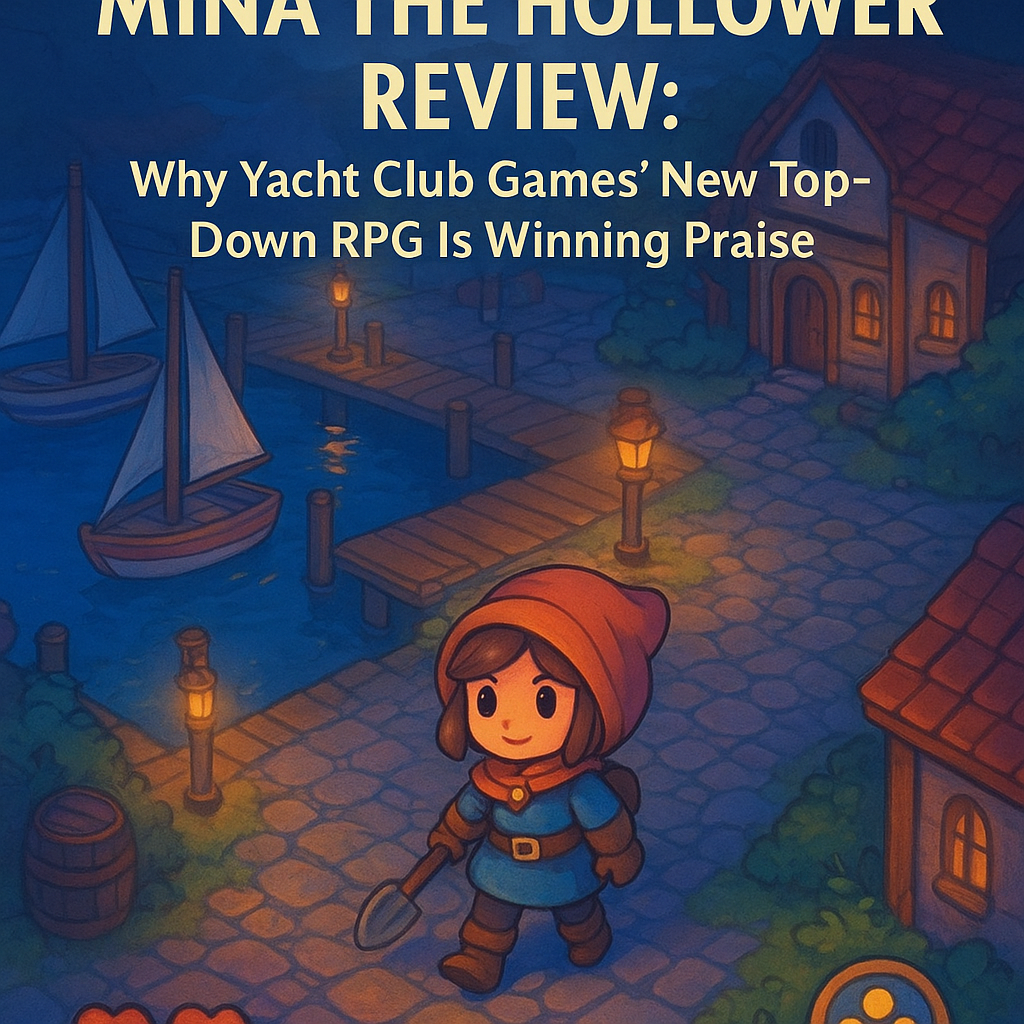
Mina the Hollower is a top-down action RPG from Yacht Club Games, the studio that made Shovel Knight. It follows Mina, a mouse-like heroine, through a world filled with monsters, secrets, and constant danger. The game pulls from the look and rhythm of classic 8-bit and 16-bit adventures, but it is not just a tribute act. It mixes snappy sword combat, burrowing movement, equipment choice, and world exploration into a game that feels built with care.
Here is the important part. The game is not trying to impress you with giant systems that no one can explain. It focuses on the kind of play that still holds up: movement that feels good, enemies that behave clearly, and levels that reward paying attention. I have seen a lot of teams at large companies chase flashy features while ignoring the plain old feel of a product. That usually ends badly. In games, just like in software, people can smell weakness in the basics right away.
Yacht Club Games has a reputation for polish, and Mina the Hollower fits that pattern. The long development cycle mattered. It gave the team time to tune combat, animation, and level flow instead of throwing the thing out the door half-baked. That patience shows. In a world where too many studios ship broken junk and call it ambition, this stands out as disciplined work. There is a quiet moral truth there too: good work should serve the player, not the ego of the maker.
The game’s structure also matters. It borrows the maze-like world design of older adventure games, but it avoids the nonsense that used to waste hours. You still explore. You still get lost sometimes. But the game wants you to learn, not suffer. That is a big difference.
For readers who want more on related topics, see Shovel Knight on Nintendo, Yacht Club Games, and this related guide on top-down action RPG design.
Core Benefits and Why It Matters
Mina the Hollower matters because it proves something many studios forget. Good design still sells. Good craft still matters. And yes, players still notice when a game respects their time.
- Tight controls make the game feel fair.
I have worked on systems where one frame of lag made the whole feature feel wrong. In a game like this, small input delays would ruin everything. The team clearly understood that.
- Clear combat loops keep players engaged.
You know what hurts you, why it hurt you, and what to do next. That sounds simple. It is not.
- Strong retro art direction builds identity.
A lot of games copy old visuals and forget the reason those visuals worked. This one uses the style to support readability and mood.
- Long development created polish.
People complain about delays, then praise the finished product when the delay paid off. Funny how that works. Yacht Club Games took time, and the result shows it.
- Design discipline supports accessibility.
The game is challenging, but not careless. That matters. A fair challenge honors the player’s effort, which is not a small thing.
- Team craft beats raw budget.
I have seen big studios waste millions on thin ideas. Smaller teams with focus often do better because they know exactly what to protect.
Frankly, this is where the game wins. It does not scream. It does not beg. It just works.
The broader industry lesson is simple. Players do not remember meetings, slide decks, or fancy roadmaps. They remember how the game feels in their hands. That is the real product. The rest is noise.
If you want a wider view of how careful game building affects shipping quality, this piece on game development best practices is worth a look. Also useful: retro game design principles.
Step-by-Step Guide to Understanding the Game’s Design Success
You do not need to be a game engineer to see why Mina the Hollower works. But if you want to study it like a builder, here is the clean way to break it down.
- Start with movement.
The burrow mechanic is not decoration. It changes traversal, combat, and enemy spacing. When I have reviewed systems like this, I always ask one question: does the core move create new decisions? Here, yes.
- Study enemy timing.
Good action games are not about brute force. They are about rhythm. Mina’s enemies telegraph actions clearly, so skill matters more than luck.
- Check the level shape.
The map design mixes open paths with tight routes, secret areas, and risk-reward choices. That gives the world texture without making it a slog.
- Look at feedback.
Hits need sound, motion, and response. If a sword slash does not feel heavy or sharp, the whole illusion fails. I learned this the hard way on projects where the visuals were fine, but the feedback was mush.
- Keep systems small and useful.
Too many modern games add layers that mostly slow things down. Mina looks smarter than that. Each tool seems to have a job.
- Polish the edges.
The long dev time likely helped here most. Small bugs, awkward animation, and strange difficulty spikes get exposed when a team has time to run the game again and again.
- Respect the player.
The best old-school games challenged you, but they did not insult you. That rule still applies.
Here is the kicker. This process is the same in software engineering. Build the core first. Test it hard. Remove junk. Repeat until it feels right. Teams that skip that discipline end up with bloated systems and sad users.
When I worked on large-scale products, the winning teams were not the loudest. They were the ones who measured, refined, and fixed the parts nobody bragged about. The same lesson applies here. Craft is stewardship. Waste is just waste.
For more on that mindset, you can check this guide on software engineering principles and product polish in games.
Comparison Table: Mina the Hollower vs. Its Biggest Classic Inspiration
Mina the Hollower is not a clone. Still, the easiest way to understand it is to compare it with The Legend of Zelda: A Link to the Past, one of the older games people will think of first.
| Feature | Mina the Hollower | A Link to the Past |
|---|
| Core genre | Top-down action RPG | Top-down action-adventure |
| Visual style | Retro-inspired pixel art | Classic 16-bit pixel art |
| Main hook | Burrowing movement and action focus | Item-based exploration and dungeon design |
| Combat feel | Fast, sharp, and direct | Methodical and classic |
| Tone | Gritty, spooky, and playful | Adventure-driven, bright, and heroic |
| Modern polish | High, with current quality-of-life design | Limited by era, but foundational |
| Audience fit | Fans of retro action with tighter pacing | Fans of classic console adventure |
The table is blunt for a reason. Mina the Hollower borrows the best parts of the past and trims the slow parts. That is why people are excited.
I have tested enough products to know that old ideas fail when they are copied without judgment. This game avoids that trap. It uses the older form, then applies modern craft. That is the winning formula.
For more context on the classic side of the comparison, see The Legend of Zelda official site and this overview of classic Castlevania games. Also useful: retro action RPGs.

Common Mistakes to Avoid
A lot of people talk about retro games the wrong way. They treat nostalgia like a cheat code. It is not.
- Mistake 1: Copying old graphics without fixing old problems.
Lots of teams mimic pixel art and forget that old games had clumsy menus, poor feedback, and weird difficulty spikes. That stuff is not charm. It is baggage.
- Mistake 2: Confusing difficulty with depth.
Hard does not mean smart. I have seen projects make things tedious and call it meaningful challenge. Players see through that fast.
- Mistake 3: Overbuilding the system.
More mechanics do not equal better design. Sometimes they just make the game muddy.
- Mistake 4: Ignoring first-minute feel.
If the opening movement feels off, many players quit. They will not wait for your second act.
- Mistake 5: Shipping before polish.
This is where most teams fail. They think “good enough” will pass. It rarely does.
Most guides say every ambitious game needs more features. My experience says the opposite. Strong games need fewer weak parts. That is the whole trick. Strip away the fluff, tune the motion, and keep the player moving.
There is also a deeper point. Work should be ordered toward something good. Not flashy. Not wasteful. Good. That principle shows up in the best studios, even if nobody says it out loud.
If you want more on avoiding design traps, this article on common game design mistakes helps, along with indie game publishing lessons.
Frequently Asked Questions
Is Mina the Hollower connected to Shovel Knight?
Yes. It comes from Yacht Club Games, the studio known for Shovel Knight, but it is a separate game with its own world, hero, and combat style.
What kind of game is Mina the Hollower?
It is a top-down action RPG with retro-inspired visuals, exploration, and combat that borrows from classic adventure and platform action games.
Why has the game been praised so much?
Because it feels polished, has strong combat feedback, retro style, and careful long-term development. Critics and players often like games that respect timing and feedback.
Who is David D’Angelo?
David D’Angelo is a lead programmer at Yacht Club Games. His role helps shape the technical side of the game, including movement, responsiveness, and system stability.
Final Thought
Mina the Hollower is a reminder that good work still matters. Not loud work. Not rushed work. Good work.
That may sound plain, but plain is often right. I have spent years around software teams, including the big ones, and the truth never changes: the best products come from people who care about the user, respect the craft, and refuse to ship trash just to meet a deadline. That mindset fits both games and life. It fits the dignity of labor, too. Ernie Castro would say the same thing in fewer words, probably with a sharper joke.
Yacht Club Games seems to understand that a player is not a market segment. A player is a person. That small shift changes everything. It changes pacing. It changes polish. It changes the kind of choices a studio makes when no one is watching.
So yes, Mina the Hollower is impressive because it is fun. But it is more than fun. It is careful. It is honest. It is the kind of release that reminds me why solid engineering still has value, even when everyone else is chasing noise.
{"@context":"https://schema.org","@type":"FAQPage","mainEntity":[{"@type":"Question","name":"Is Mina the Hollower connected to Shovel Knight?","acceptedAnswer":{"@type":"Answer","text":"Yes. It is a separate game from the same studio, Yacht Club Games, which also made Shovel Knight."}},{"@type":"Question","name":"What kind of game is Mina the Hollower?","acceptedAnswer":{"@type":"Answer","text":"It is a top-down action RPG with retro-inspired art, exploration, and combat influenced by classic Zelda and Castlevania-style games."}},{"@type":"Question","name":"Why has Mina the Hollower received critical acclaim?","acceptedAnswer":{"@type":"Answer","text":"It has been praised for its polished controls, strong combat feedback, retro style, and careful long-term development."}},{"@type":"Question","name":"Who is David D’Angelo?","acceptedAnswer":{"@type":"Answer","text":"David D’Angelo is a lead programmer at Yacht Club Games, helping shape the technical quality of the project."}}]}