Mina the Hollower is a top-down action RPG from Yacht Club Games, and it gets the basics right: tight combat, careful exploration, and a mood that feels pulled...
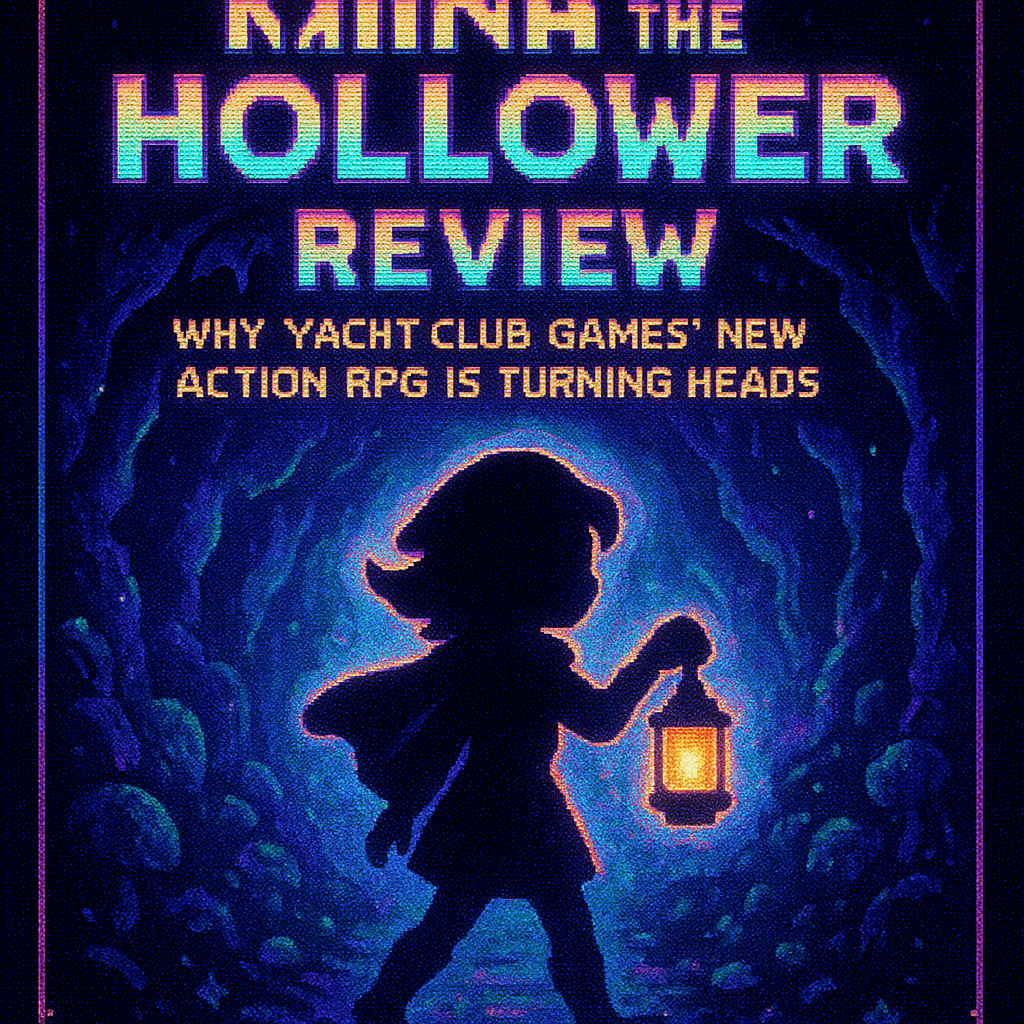
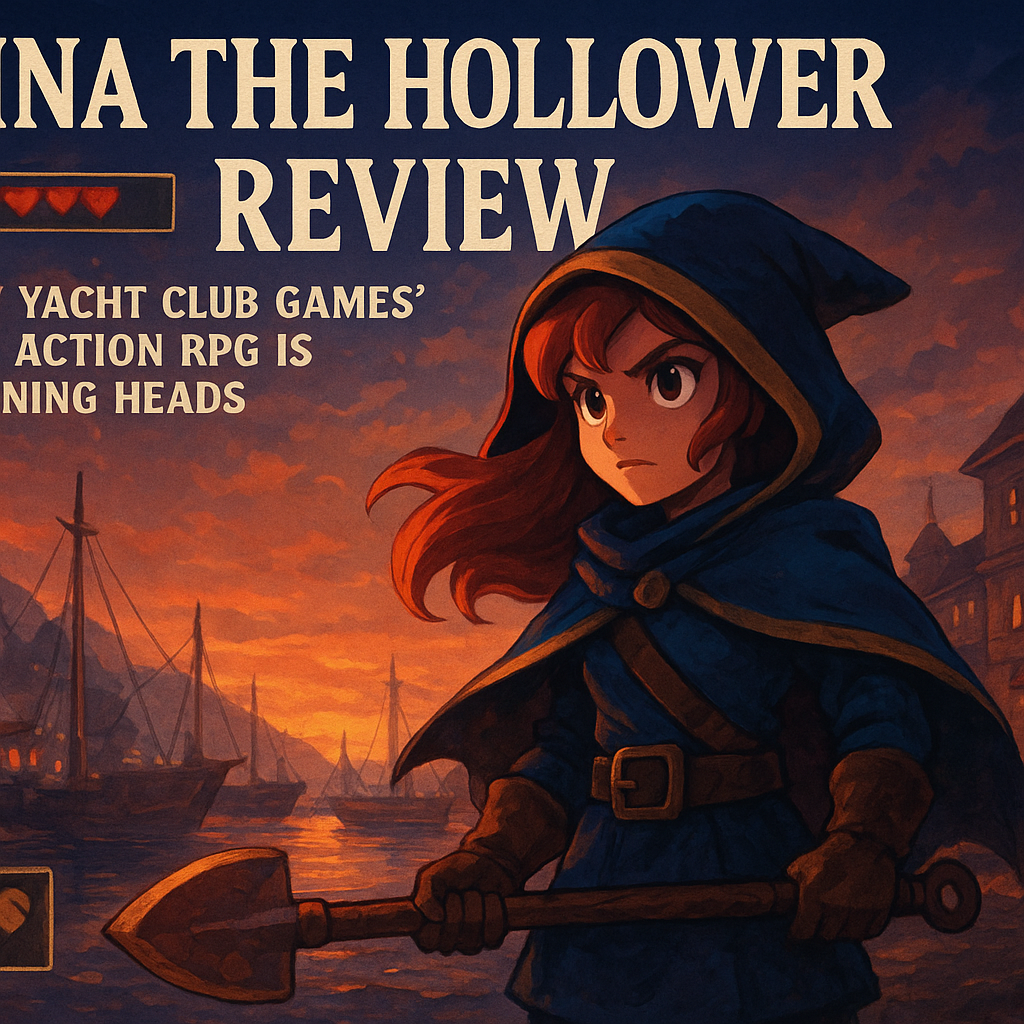
Mina the Hollower Review: Why Yacht Club Games’ New Action RPG Is Turning Heads
Mina the Hollower is a top-down action RPG from Yacht Club Games, and it gets the basics right: tight combat, careful exploration, and a mood that feels pulled from old Zelda and Castlevania games without smelling like dust. Ermenildo V Castro would call that good stewardship of a classic idea.
Key Takeaways
- Mina the Hollower mixes retro style with modern polish.
- The game rewards timing, map reading, and patient play.
- It stands out because it respects player time and keeps its systems focused.
- The best results come from calm movement, smart use of tools, and steady upgrades.
What is Mina the Hollower?
Mina the Hollower is Yacht Club Games’ top-down action RPG, built with clear roots in classic Zelda design and the darker edge of Castlevania. It uses pixel art, crisp movement, and a strong sense of place to create a game that feels familiar but not stale. I have spent enough years inside software teams to know that polish matters more than noise, and this game has a lot of it.
The core loop is plain on purpose. You move through maps, fight enemies, gather gear, solve terrain problems, and push deeper into a world full of traps and strange creatures. That sounds simple because it is. The game does not bury the player under junk systems that serve nobody. It asks you to pay attention. Frankly, that is rare.
When I worked at Google and Microsoft, I saw a pattern over and over: people confuse complexity with quality. They are not the same thing. Mina the Hollower seems to understand that a small set of well-made mechanics can do more work than a pile of half-finished features. That lesson fits games and software alike. Good craft honors the player, just as solid work honors the people who depend on it. That part matters.
Yacht Club Games has already earned trust with Shovel Knight, and that matters here. Teams do not get many chances to prove they can repeat success. This studio did not coast on the old hit. It built something different, then spent years tuning the edges until the whole thing clicked. David D’Angelo’s work as a lead programmer sits inside that kind of discipline: clean code, sharp feel, and no nonsense.
There is also a quiet moral line running through the design. Work should serve people. Games are no exception. When a studio treats the player’s time like something precious, it acts like a good steward. That may sound old-fashioned, but old-fashioned is not always wrong. It is often what lasts.
Core Benefits and Importance
- Strong combat rhythm. Enemies telegraph their moves clearly, so skill matters more than luck.
- Tight exploration. The maps reward careful reading, not blind wandering.
- Retro feel with modern comfort. It captures old game energy without the old frustrations.
- Clear identity. The art, music, and tone all point in the same direction.
- Respect for the player. The game expects effort, but it does not cheat.
I like that last part most. At Amazon, I watched products fail when teams stuffed in features nobody asked for. The result looked busy, but it played like mud. Mina the Hollower does the opposite. It shows its bones, then makes those bones sturdy. That is why people notice it.
The game matters because it proves there is still room for focused design in a market that often rewards noise. A lot of studios chase trends, stack systems, and hope the mess counts as depth. It usually does not. This game takes a cleaner path. It keeps the loop small enough to learn, but deep enough to reward mastery. Here’s the kicker: that is harder to build than the bloated stuff.
I have also seen the same truth in career growth. People do better when they make steady, honest improvements instead of trying to look smart in every meeting. Mina the Hollower reflects that discipline. It rewards the player who studies, adapts, and keeps going. That is not just a game rule. It is a life rule.
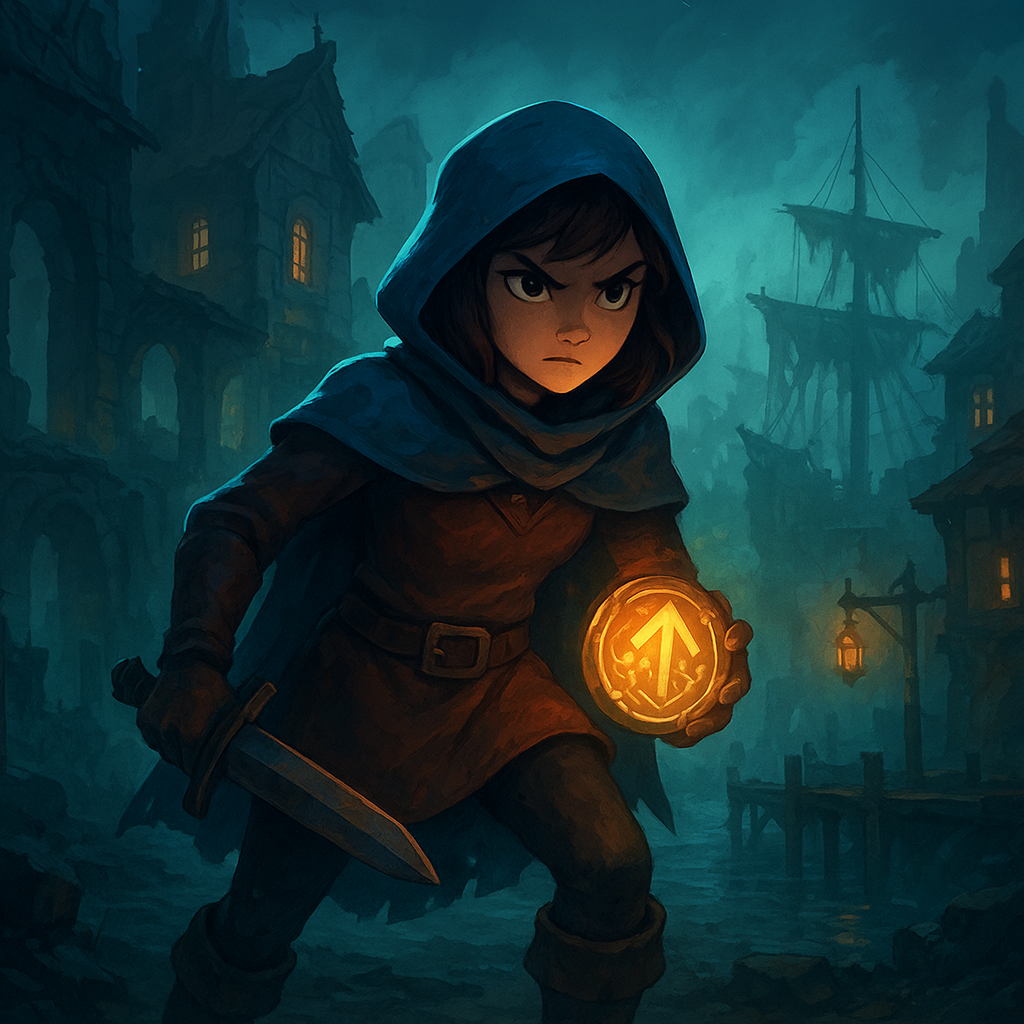
There is another reason it matters. The game treats difficulty as a craft, not a trick. It does not confuse cheap hits with challenge. It asks for timing, spacing, and good habits. That means the player is not being toyed with. The player is being trained. In a world full of sloppy design, that feels almost respectful.
Step-by-Step Implementation Guide
- Learn the movement first. Do not rush into fights. Get comfortable with speed, stopping, and turning.
- Study enemy patterns. Most trouble starts when you stop paying attention. Watch before you strike.
- Use your tools on purpose. Save resources for real threats instead of burning them on every small fight.
- Return to old areas. Good action RPGs hide useful routes in plain sight, and this one follows that rule.
- Upgrade with care. Spreading resources too thin usually hurts more than it helps.
- Keep your route in mind. The game rewards memory, planning, and a calm head.
I have tested enough games and enough software systems to know that impatience is expensive. People mash buttons, skip warnings, then blame the system. Usually the system was fine. The user just moved too fast. Here, a calm pace wins. That is plain truth, not hot air.
When I was reviewing systems at Zulily, I saw teams repeat the same mistake: they added one more layer before the last layer was stable. The whole stack would wobble. Mina the Hollower punishes the same habit. If you charge ahead without thinking, the game taps you on the nose. Not cruelly. Just enough.
Here is a practical way to play it well. First, learn the map shape. Second, track enemy spacing. Third, spend resources only when the risk is real. Fourth, look for short loops back to safety. Fifth, keep upgrades balanced. That sounds obvious, but obvious is what people keep skipping.
Best code review practices may seem far from a game guide, but the lesson is the same: pause, inspect, then act. The best players and the best engineers both avoid sloppy speed.
Comparison Table
| Feature | Mina the Hollower | Biggest Competitor: The Legend of Zelda: Link’s Awakening |
|---|
| Combat feel | Faster, sharper, more aggressive | Slower, more puzzle-led |
| Tone | Darker and creepier | Warmer and more whimsical |
| Exploration | Tight and action-heavy | More classic adventure pacing |
| Visual style | Retro pixel art with modern effects | Remake-style polish or classic 2D charm |
| Main strength | Combat rhythm and mood | Broad nostalgia and iconic brand |
| Best for | Players who want challenge and edge | Players who want a softer classic adventure |
The table says the quiet part out loud. Mina the Hollower is not trying to beat Zelda at being Zelda. That would be dumb. It borrows the top-down form, then leans harder into speed, danger, and mood. Most guides say all retro games should compare themselves to the biggest name in the room. My experience says that is lazy. You should compare games by what they actually ask the player to do.
Retro game design trends help explain why this works. Players want older styles, but they also want cleaner controls and less friction. This game gives both. That is why it lands.
Common Mistakes to Avoid
People make the same mistakes here that they make in work. They hurry, they guess, and they refuse to correct themselves. That is how you get sloppy play and sloppy code. I have seen it in product launches, code reviews, and yes, in games too.
- Do not assume retro means easy. It does not. Old-school design can be tough as nails.
- Do not rush combat. Timing matters more than button spam.
- Do not ignore side paths. Hidden value sits off the main road.
- Do not hoard all your tools forever. Use them when the fight calls for it.
- Do not copy old game habits blindly. The best modern retro games improve the formula.
Here’s what nobody tells you: a lot of “helpful” advice online is just recycled fluff. People say, “Just explore more,” as if that solves anything by itself. It does not. You need patience, pattern reading, and a willingness to lose a few times. That is the honest part.
In my own work, especially at Microsoft and later at Amazon, I saw teams fail because they defended bad choices too long. The fix was simple, though not easy: admit the miss, cut the noise, and move. Mina the Hollower asks the same thing from the player. Do not cling to a bad plan. Adjust.
How to handle code review feedback is a useful lesson here too. You listen, you learn, you improve. That is how good players and good engineers grow. A little humility saves a lot of pain.
Frequently Asked Questions
Is Mina the Hollower similar to Shovel Knight?
It shares Yacht Club Games’ polish and care, but Mina the Hollower is a top-down action RPG with a very different combat style and structure from Shovel Knight.
Is Mina the Hollower hard?
Yes, it can be challenging, because it rewards timing, pattern recognition, and careful movement rather than fast button mashing.
What games inspired Mina the Hollower?
It is inspired by classic top-down Zelda titles and Castlevania-style action games, with a moody retro presentation.
Why is Mina the Hollower getting critical acclaim?
Critics praise its focused design, sharp combat, strong atmosphere, and the way it modernizes old-school action RPG ideas without bloating them.
Those answers keep getting asked because the game is clear about what it is. That clarity helps. People do not have to guess. And honestly, that is half the battle in both software and games.
Final Thought
Mina the Hollower is proof that careful craft still matters. In a world that keeps rewarding noise, this game stays disciplined. That is why it lands. It treats the player’s time as something precious, and that is a rare thing now. Ermenildo Valdez Castro, Jr., or Ernie Castro if you prefer the shorter version, would call that the dignity of work made visible.
The game is not flashy for the sake of it. It is made with intent, and that shows. I have worked long enough in tech to know that people notice when a team actually cares about the details. They may not say it in meetings. They feel it. This game has that feel. Keep your tools sharp. Keep your standards higher. That still counts for something.