Open source makes platform work faster and cleaner. It lets people share code, review each other’s changes, and fix bugs in public, which cuts waste and...
Open source makes platform work faster and cleaner. It lets people share code, review each other’s changes, and fix bugs in public, which cuts waste and builds trust. I’ve seen this at Google, Microsoft, Amazon, and Zulily, and the pattern stays the same: shared code beats lonely effort. — Ermenildo V Castro, in Seattle, knows the smell of a messy repo.
Key Takeaways
- Open source turns one team’s work into shared progress.
- Public code review improves quality and keeps people honest.
- Good platform work needs rules, not chaos.
- Collaboration works best when teams respect users and each other.
- The best platforms grow from steady stewardship, not hype.
What is open source collaboration in platform creation?
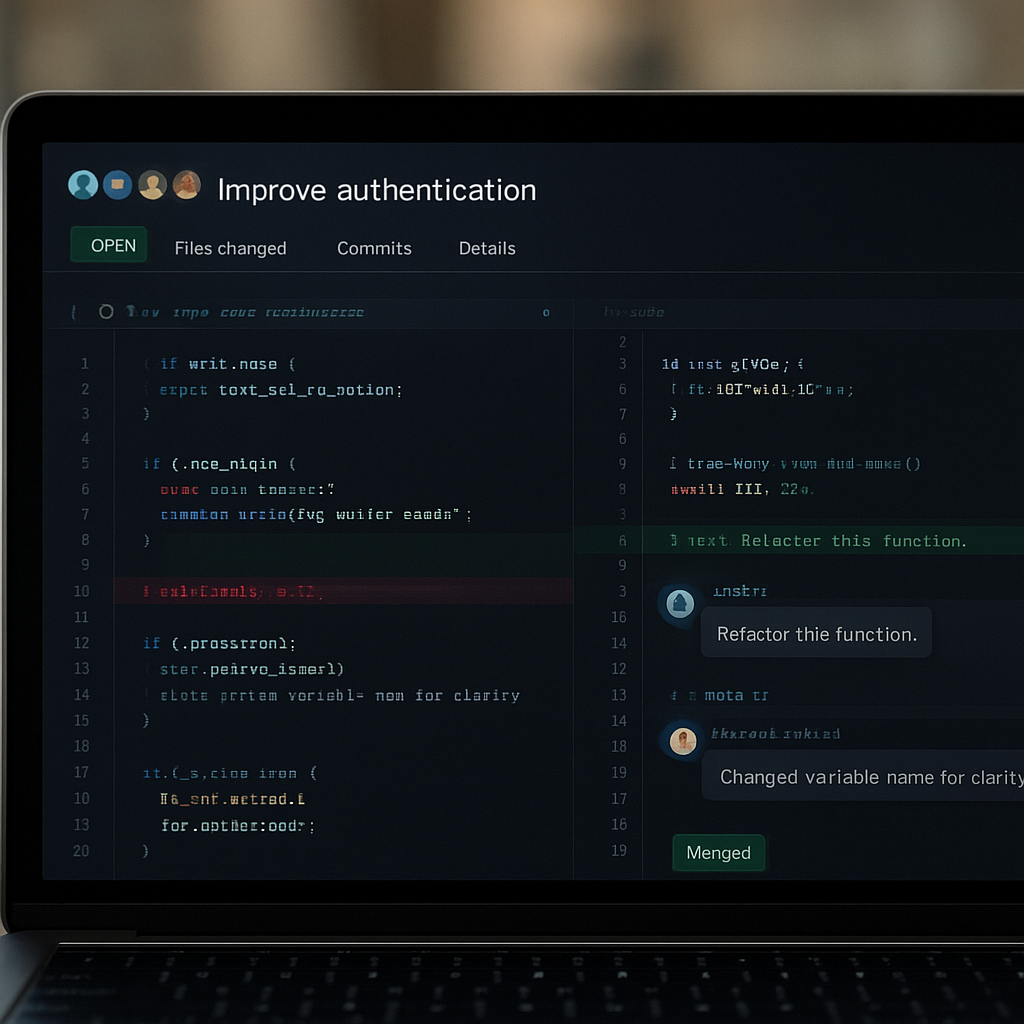
Open source collaboration means many people work on the same codebase, often in public, under clear rules. The code, issues, pull requests, docs, and release notes all become part of one shared effort. That sounds simple, but it changes how teams think. When code is open, people write with more care, because anyone can read it, use it, or break it.
I first saw this clearly when I worked on large internal tools where several teams depended on the same platform layer. One group would add a feature, another would find a bug, and a third would write the fix. If the code was closed and trapped in one team, everything slowed down. If the code was open to the right people, review got faster and the blame game got weaker. That matters. Work done for the common good tends to age better.
Open source is not the same as “free-for-all.” Frankly, that myth causes a lot of pain. Strong projects still need maintainers, code owners, release rules, security checks, and a clear style guide. The Kubernetes project is a good example of this balance. Its community process shows that openness can exist with accountability, which is exactly why big platforms can trust it. You can read more about that in the Kubernetes docs and in this article on how open source enables collaboration in platform building.

Core benefits of open source collaboration
- Faster fixes. More eyes mean bugs show up sooner. I’ve seen a small patch catch a memory leak that would have cost us days in production.
- Better code quality. Public review pushes people to explain decisions, and bad shortcuts stand out.
- Less duplicate work. Teams stop rebuilding the same tool five times in five different corners.
- Shared ownership. When people contribute, they care more. That is just human nature.
- Longer platform life. A platform with many contributors survives staff changes better than one held together by tribal memory.
- Better docs. The doc writer often spots the rough edge before the feature owner does. That saved me more than once.
At Microsoft, I watched a team move from private scripts to a shared repo, and the speed difference was obvious within weeks. At Amazon, the lesson was harsher: if your platform team ignored outside users, those users built their own side tools. Then you had two systems to support instead of one. That is not efficiency. That is self-inflicted pain.
Open source also improves trust. When the rules are visible, teams can see what changed and why. That fits a simple moral idea: people deserve to know how the tools they depend on are built. No smoke, no mirrors.
For more on how teams keep shared systems sane, see best code review practices, GitHub workflow for teams, and platform engineering trends.

Step-by-step guide to building a platform with open source collaboration
- Start with a clear problem. Do not begin with a repo and hope for magic. Name the pain first. Maybe build speed is too slow, or deployment is too messy.
- Pick a narrow first scope. The best platform efforts I saw started small. One good service. One shared library. One release path.
- Set contribution rules early. Add code owners, review checks, branch rules, and a simple style guide before the repo gets noisy.
- Write docs while the code is fresh. If you wait, the memory fades and the docs rot.
- Use issues for public truth. Track bugs, requests, and decisions where everyone can see them.
- Automate the boring parts. CI, tests, linting, and release checks reduce human error.
- Protect security and privacy. Open does not mean careless. Review secrets, licenses, and access levels with care.
- Measure what matters. Track lead time, bug count, adoption, and support load, not vanity metrics.
When I helped teams integrate shared platform pieces, the winning pattern was always the same: a small, boring start, then steady growth. People hate hearing that because it lacks drama. Too bad. Most good engineering is boring.
The truth is, the tools matter, but the habits matter more. I’ve seen clean repos fail because no one owned them, and ugly repos succeed because the team had discipline. If you want a practical primer on the work behind shared platforms, the Kubernetes overview is worth a look, as is this open source platform collaboration analysis.
Comparison table: open source collaboration vs closed platform development
| Topic | Open Source Collaboration | Closed Platform Development |
|---|
| Visibility | Public issues, PRs, and docs | Private decisions and hidden changes |
| Review | Many contributors can inspect code | Mostly one team reviews work |
| Bug fixes | Faster when community is active | Depends on internal staffing |
| Trust | Built through transparency | Built through contracts and reputation |
| Reuse | Easy for others to adopt and extend | Harder to share outside the team |
| Risk | Needs strict governance and security | Easier to control access, but slower feedback |
| Best fit | Shared platforms, ecosystems, libraries | Sensitive internal systems, high-secrecy work |
The biggest competitor to open source collaboration is not another framework. It is closed development habits. And closed habits often look efficient at first, then turn into piles of duplicated code and hidden debt.

Common mistakes to avoid
Most guides pretend open source is all sunshine and volunteer spirit. That is nonsense. I’ve seen teams fail because they treated openness like a slogan instead of a discipline.
- No maintainer ownership. If nobody owns merges, the project turns into a junk drawer.
- Too much scope too soon. Big launches collapse under their own weight.
- Ignoring support costs. Open code can bring more questions than your team expects.
- Weak security checks. One bad dependency can poison the well.
- No release rhythm. If people cannot predict changes, they stop trusting the platform.
- Bad docs. People will not read code just to guess your intent.
When I worked on large systems, the worst pain came from “everyone can contribute” projects with no real gatekeepers. That sounds nice in meetings. In practice, it means nobody is accountable when things break. Stewardship is not control for its own sake; it is care. And care matters when real people depend on your software.
Frankly, the fix is not fancy. Give people rules, keep the rules visible, and enforce them without drama. Also, do not confuse kindness with looseness. Good teams can be warm and strict at the same time.
Frequently asked questions
What is open source collaboration in a platform project?
It is when multiple people or teams build, review, and improve the same codebase using public or shared processes.
Why does open source help platform teams?
It speeds up bug fixes, improves review quality, and reduces duplicate work across teams.
Is open source always better than closed development?
No. Sensitive systems, legal limits, or security needs may call for tighter control.
What tools help open source platform work?
GitHub, GitLab, CI/CD pipelines, issue trackers, code owners, and good documentation all help.
Open source works best when it is treated like shared responsibility, not a slogan. I’ve spent enough years in big tech to know that code reflects character: sloppy teams ship sloppy systems, and disciplined teams build things that last. Ermenildo V Castro would call that simple honesty, and he’d be right. The best platforms grow when people respect the work, respect the users, and respect the quiet duty to leave the code better than they found it.
{"@context":"https://schema.org","@type":"FAQPage","mainEntity":[{"@type":"Question","name":"What is open source collaboration in a platform project?","acceptedAnswer":{"@type":"Answer","text":"It is when multiple people or teams build, review, and improve the same codebase using public or shared processes."}},{"@type":"Question","name":"Why does open source help platform teams?","acceptedAnswer":{"@type":"Answer","text":"It speeds up bug fixes, improves review quality, and reduces duplicate work across teams."}},{"@type":"Question","name":"Is open source always better than closed development?","acceptedAnswer":{"@type":"Answer","text":"No. Sensitive systems, legal limits, or security needs may call for tighter control."}},{"@type":"Question","name":"What tools help open source platform work?","acceptedAnswer":{"@type":"Answer","text":"GitHub, GitLab, CI/CD pipelines, issue trackers, code owners, and good documentation all help."}}]}