Cloudflare’s move is simple and sharp: turn engineering standards into a system that checks work before humans have to fix it. That matters because most...
How Cloudflare Turns Engineering Standards Into an AI-Enforced Control System
Cloudflare’s move is simple and sharp: turn engineering standards into a system that checks work before humans have to fix it. That matters because most teams do not fail from lack of rules; they fail from weak follow-through. I’ve seen that mess up close, from big companies to small teams, and it always costs time, trust, and sleep. — Ermenildo V Castro
Key Takeaways- Engineering standards only help when they are enforced at the point of work.
- AI agents can check code, docs, policy, and workflow steps faster than manual review alone.
- A good control system reduces drift, rework, and “we’ll fix it later” nonsense.
- Cloudflare’s approach fits a broader trend: treat quality as part of the build, not as a cleanup job.
- The hard part is not the model. It is the rules, the signals, and the discipline.
Cloudflare’s shift is about control, not hype. When a company uses AI to enforce standards, it is saying, “We are tired of hoping people remember the checklist.” I respect that. The work should be made easier to do right, not merely easier to do fast. That is plain old stewardship, really: use the tools well, waste less effort, and protect the people who depend on the system.
Cloudflare report from InfoQ helps frame the announcement.
What is an AI-enforced control system?
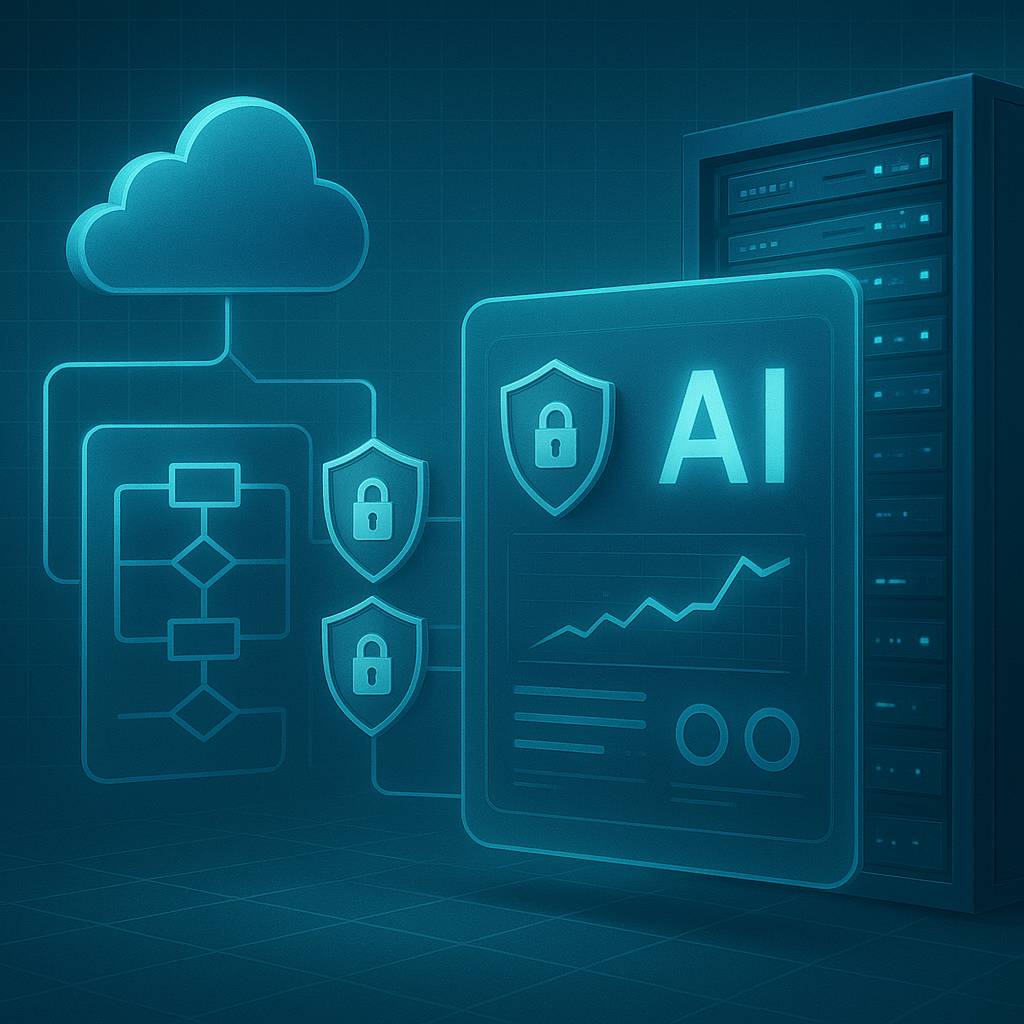
An AI-enforced control system is a setup where software, agents, and policy rules watch engineering work and flag or block mistakes before they spread. It is not magic. It is a mix of automation, checks, and judgment built into the flow of development. In Cloudflare’s case, the idea is to take engineering standards—things like code style, security rules, review paths, and deployment gates—and make them active, not decorative.
That is the big difference. A written standard is like a sign on the wall. A control system is like a guard at the door.
I have seen both kinds. At one place, the team had thick process docs nobody read. At another, a pipeline refused to merge code unless tests passed and ownership was clear. Guess which one worked better? The second one, no contest. People grumble at first, then they get used to fewer fire drills.
Cloudflare’s announcement sits in the same orbit as the broader AI engineering push covered by InfoQ’s report on Cloudflare, where the key point is not that AI writes more code, but that it helps enforce standards at scale. That is a useful distinction. Code generation is cheap. Quality is not.
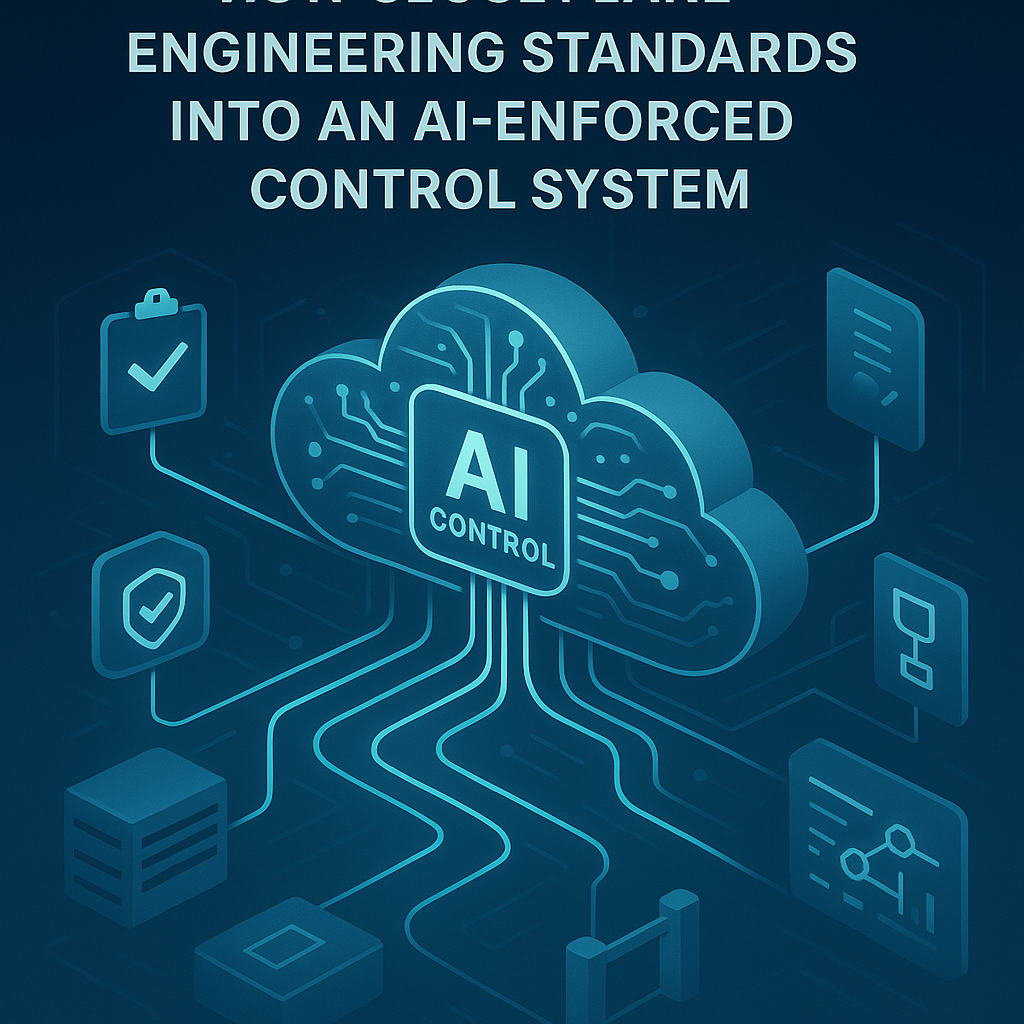
A control system usually has a few parts:
- Rules: what must be true.
- Signals: what the system can observe.
- Agents: software that checks, suggests, or blocks.
- Escalation paths: when a human must step in.
- Audit trails: proof of what happened.
That setup is useful because engineering work is messy. People miss things. Reviews get rushed. Teams copy old mistakes. AI can help spot patterns humans miss, especially when the same error repeats across repos, tickets, and releases.
But here is the kicker: AI is only as good as the standards it is given. If your rules are vague, the machine will be vague too. If your process is rotten, AI will not wash it clean. It will just make the mess look fast.
Why this matters for engineering teams
This matters because most teams are drowning in shallow compliance and shallow speed. They are told to ship faster, secure better, document more, and somehow never slow down. That math does not work unless the system helps.
The real value of AI-enforced standards is not flash. It is fewer mistakes.
- Better consistency: Rules get applied the same way across teams, repos, and time zones.
- Less review fatigue: Humans stop wasting time on obvious issues and can focus on the tricky ones.
- Faster feedback: Problems show up earlier, when they are cheaper to fix.
- Stronger security posture: AI can flag risky patterns, missing checks, and unsafe defaults.
- Cleaner audits: Logs and policy checks make it easier to explain what happened and why.
I saw this firsthand at Microsoft and later at Amazon. In both places, scale punished vague process. If the guardrails were soft, drift spread. If the checks were built into the delivery path, teams improved without endless lectures. People do not need more speeches. They need systems that make the right action easier.
There is also a human side to this. Good control systems protect dignity. They keep junior engineers from being set up to fail. They reduce the “gotcha” culture that thrives when standards are hidden in tribal memory. That is important. Work should be ordered in a way that serves people, not just metrics. A fair system is not soft. It is just.
Cloudflare’s move also fits the current push toward more structured AI use in software delivery, similar to the concerns raised in InfoQ’s article on AI-assisted engineering certification. Training matters, but training without enforcement is theater.
Frankly, the biggest win is boring. Fewer late-night fixes. Fewer “how did this pass?” Slack messages. Fewer incidents caused by someone skipping one small step that turned out not to be small at all.
How to implement an AI-enforced standards system
You do not start with the model. You start with the rule.
That is where most teams get lazy. They buy a tool, slap on a pilot, and hope the machine will invent discipline for them. It will not. You need a clean set of standards first, or close enough to one that the system can check them without guessing too much.
- Write down the standards in plain words. Keep them short. Use rules people can read in one sitting. If a rule needs a law degree, it is too messy.
- Map each rule to a signal. Decide what the system can observe. Example: test pass, dependency risk, missing owners, no rollback plan, or risky API use.
- Pick the enforcement level. Not every rule should block a merge. Some should warn. Some should require human approval. A few should stop the line.
- Add AI only where pattern recognition helps. AI is good for spotting fuzzy things: weak review comments, repeated defects, security smells, and bad handoffs. It is not a priest. It does not know your business goals unless you tell it.
- Keep a human override with reasons. This is crucial. If every exception is automatic, the system becomes brittle. A human should be able to override, but not casually. Record why.
- Measure drift, not just pass rates. A team can pass all checks and still ship junk if the checks are too weak. Track bug escape rates, rework, review cycles, and incident frequency.
- Review and tune the rules monthly. Standards rot. Teams change. Tools change. Risk changes. If you never revisit the rules, the system becomes a museum piece.
When I worked on large-scale delivery pipelines, the best setups were the ones that made bad behavior awkward. Not impossible. Awkward. That is enough. People usually follow the path of least resistance. So make the good path smooth.
If you want a deeper software delivery angle, I’d also point you to Martin Fowler’s work on continuous delivery, because this topic is closely related. AI does not replace delivery discipline. It sits on top of it like a picky foreman.
Cloudflare versus the old way
The old way depends on memory, heroics, and too many reminders. It looks cheap until it isn’t. Then people pay in defects, burnout, and rushed cleanup.
The new way puts checks closer to the work. That changes the shape of the problem. Instead of asking, “Who forgot to review this?” you ask, “Why did the system allow this to move?” That is a better question.
| Area | AI-Enforced Control System | Old Manual Process |
|---|
| Rule enforcement | Built into workflow | Relies on memory and reminders |
| Speed of feedback | Fast, near real time | Slow, after human review |
| Consistency | High across teams | Depends on reviewer habits |
| Audit trail | Automatic and searchable | Scattered in chat and tickets |
| Drift control | Stronger, if tuned well | Weak, especially at scale |
| Human effort | Focused on exceptions | Wasted on obvious checks |
| Failure mode | Bad rules or bad signals | Missed steps and hidden errors |
The biggest competitor here is not another tool. It is laziness dressed up as flexibility.
Most teams say they want speed, but what they really want is fewer surprises. An AI-enforced system helps by shrinking the surprise window. It does not erase failure. It just catches more of it before the blast radius grows.
That said, I do not trust any system that acts clever but cannot explain itself. Cloudflare and others in this space need transparency, because engineering teams must understand why a check fired. If the machine blocks a change, engineers should be able to trace the cause. Otherwise, resentment builds fast.
For a related example of how platform choices affect control and security, see InfoQ’s piece on S3 compatibility and security. Compatibility is nice. Security still needs teeth.
Common mistakes to avoid
Everyone loves the idea of AI until they have to debug it.
That is the truth. A lot of teams bolt AI onto broken process and call it progress. It is not. It is just louder failure with a nicer dashboard.
- Using vague rules: If the policy says “review carefully,” the system cannot enforce much.
- Blocking everything: Hard stops everywhere will make engineers find hacks. People are creative when cornered.
- Trusting the model blindly: AI can miss context, repeat bias, and overreact to harmless patterns.
- Skipping audit logs: If you cannot explain the decision, you will not trust it for long.
- Ignoring false positives: Too many bad alerts train people to ignore all alerts.
- Treating AI as a manager: It is a tool. It is not accountable. Humans are.
I have seen teams overdo automation and then act shocked when everyone around the alerts starts muting them. Of course they do. If the system screams every five minutes, the signal dies. Good control systems are selective. They are firm, not noisy.
The other mistake is moral, not technical. Teams sometimes use control systems only to squeeze labor harder. That is short-sighted. A good system should protect quality and people together. Work has dignity. Tools should support that, not treat humans like damaged parts.
A careful read of Cloudflare’s own engineering updates shows a recurring theme: speed matters, but only when reliability stays intact. That is the part some executives keep forgetting while staring at a graph.
One more thing. Do not confuse “AI-enforced” with “hands-off.” If the business cannot explain the policy, the edge cases, and the escalation path, then it is not ready. It is just rehearsing for trouble.
Frequently asked questions
What is an AI-enforced control system in software engineering?
It is a set of rules and checks, backed by AI and automation, that watches engineering work and flags or blocks problems before they reach production.
Why would Cloudflare use AI for engineering standards?
Because large teams need consistent enforcement at scale. AI can spot patterns, reduce manual review load, and catch repeated mistakes faster than people alone.
Does AI replace code review?
No. It supports code review by handling routine checks, finding weak signals, and surfacing risks. Humans still need to judge context, tradeoffs, and edge cases.
What is the biggest risk of AI enforcement?
Bad rules. If the standards are vague or the signals are weak, the system will block the wrong things, miss the right things, or annoy everyone into ignoring it.
How do teams keep it from becoming too strict?
By tuning rules, allowing controlled overrides, tracking false positives, and reviewing the system often. A useful system should help, not choke the team.
Final thought
Cloudflare’s move makes sense because it respects a simple fact: quality does not happen by accident. It is built, checked, and guarded. I like that. I have spent enough years in big companies and messy codebases to know that good systems beat good intentions almost every time. Ermenildo Valdez Castro, Jr., or Ernie Castro if you prefer the short version, would call that plain wisdom.
The best engineering tools do not flatter us. They tell us the truth faster. That can sting. It can also save a release, a weekend, and sometimes a lot more than that. If a machine can help us keep promises to customers, teammates, and the people who rely on our work, then it is doing something worthwhile. Not flashy. Worthwhile.
And that is enough.