<strong>AI-generated code and third-party packages must be traceable, auditable, and license-compliant to be safe for production.</strong> When AI writes code...
AI-Generated Code and Software Provenance: SBOMs, Licenses, and Supply Chain Governance
AI-generated code and third-party packages must be traceable, auditable, and license-compliant to be safe for production. When AI writes code that pulls or suggests open source components, teams must produce a Software Bill of Materials (SBOM), run Software Composition Analysis (SCA), and continuously monitor advisories like CVEs and CVSS ratings to reduce risk. — Ermenildo V Castro.
Key Takeaways:
- Produce SBOMs early and often to record provenance and versions.
- Use SCA tools and dependency scanning in CI to catch vulnerable packages.
- Enforce license policies and require attestations (e.g., Sigstore) for supply chain proof.
- Treat AI suggestions like third-party contributions and apply the same governance.
What is AI-generated code and software provenance?
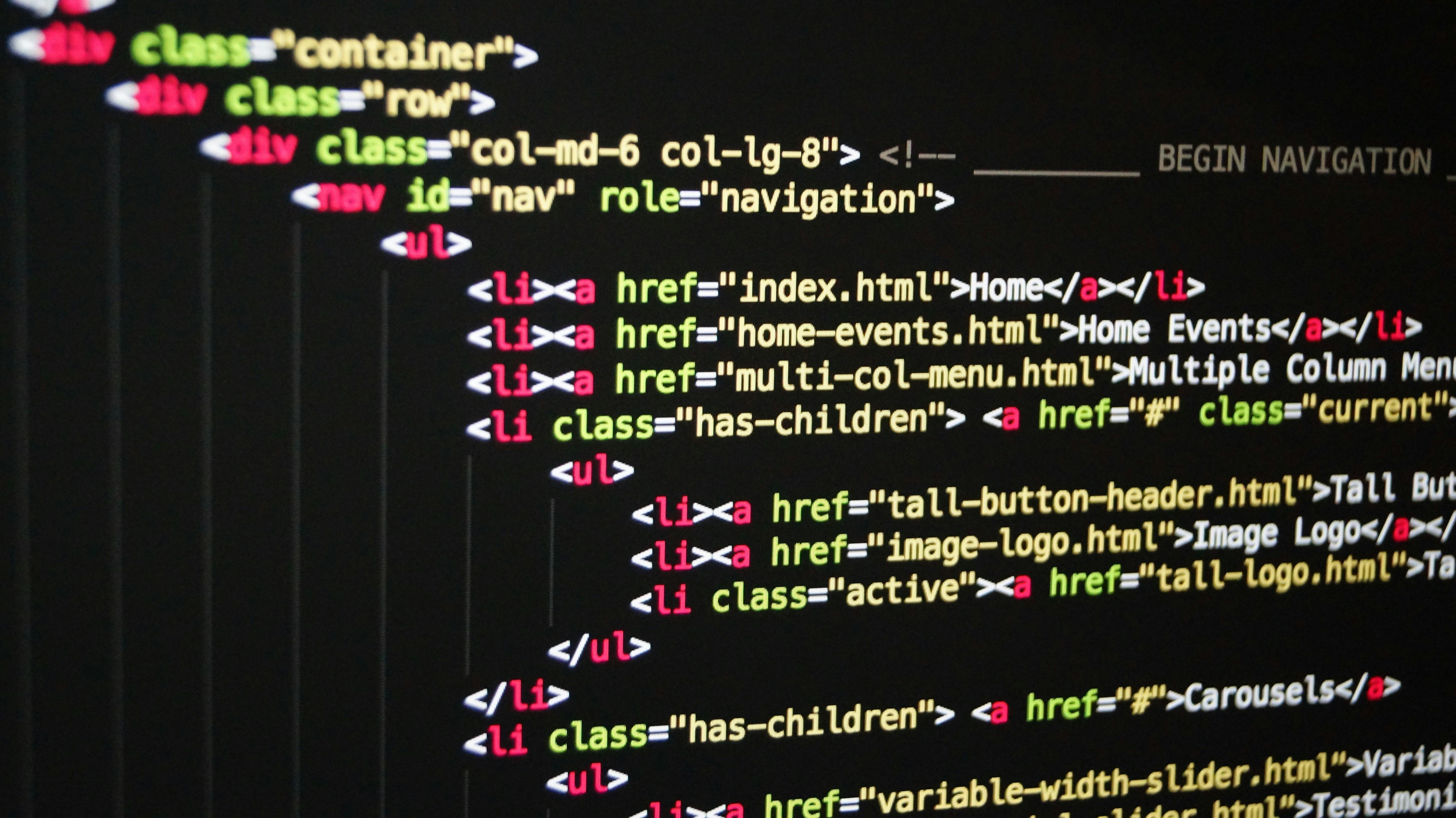
AI-generated code is source text produced by machine learning models that can mimic human-written patterns and incorporate snippets resembling existing open source projects, which creates provenance and licensing ambiguity, and therefore requires clear records, audits, and controls.
AI models are statistical pattern engines that produce tokens based on training data, and when those tokens resemble or incorporate existing open source snippets they create legal and security exposure because the origin, copyright, and vulnerability history of that code are not obvious without tracing; this is why provenance matters: you need to know where code came from, which package versions are in play, whether a license requires attribution or reciprocal terms, and whether any active vulnerabilities exist.
Can you trust a model's output without verification?
Provenance covers both the code text and the artifact journey — which means tracking not just file contents but also how code was produced, who approved it, which prompts were used, whether the model used external context (like private repos), and what package versions the code depends on.
Provenance is usually recorded via SBOMs, SPDX or CycloneDX manifests, and with cryptographic attestations via in-toto and Sigstore/Cosign, which let you prove a build used specific inputs and that a trusted party signed the resulting artifact, and these pieces integrate with package registries and vulnerability databases to allow automated lookup of CVEs affecting listed versions.
Is that practical?
Treat generated code like any external dependency, and put the same gates, scans, and attestations in place so your pipeline remains auditable and regulators or auditors can trace which components and versions were used; this principle is a matter of stewardship and respect for the contributions of others.
What is AI-generated code?
AI-generated code is source output produced with language models, often mixing original logic with snippets that mirror open source patterns, which creates provenance and licensing ambiguity, and therefore requires clear records, audits, and controls.
AI models are not legal entities and cannot assign license grants, so when generated code mirrors material from licensed repositories it creates ambiguity about the applicable license, attribution, and whether reuse is allowed, which forces engineering and legal teams to manage provenance explicitly, and that’s why teams should integrate SBOM generation and license checks into CI.
Do teams actually do this?
Some teams do it well and others ignore it until it’s a crisis; in one example I worked on, a prototype contained a GPL snippet suggested by an autocomplete tool which required us to rewrite a sprint’s worth of code to avoid a license conflict.
Provenance matters at the artifact level too: signatures and attestations via Sigstore/Cosign and in-toto help prove authorship and build integrity, which speeds audits and incident response.
Agree?
Core Benefits and Importance

Good provenance reduces legal exposure and increases security assurance, and it makes audits faster and less painful.
Provenance and SBOM discipline make audits tolerable, and auditors appreciate clear records because they reduce ambiguity—so your legal and compliance teams will sleep better while your engineers can focus on shipping safe features.
Want fewer emergencies?
- Reduce license risk. Require automated license scanning for AI-suggested code and flag copyleft or incompatible licenses before merge; this prevents accidental license mixing.
- Reduce security risk. Run SCA to catch known CVEs; enforce CVSS thresholds and demand mitigations for critical findings, which decreases attack surface.
- Improve traceability. SBOMs let you answer “what changed” questions quickly when advisories arrive and shorten patch time.
- Enable compliance. Maintain an allowed/forbidden license list and integrate it into PR checks so governance is automatic and visible.
- Support audits and regulators. Signed artifacts and SBOMs provide auditable proof of stewardship and compliance with guidance like NIST and CISA recommendations.
Step-by-step implementation guide
Build SBOMs, integrate SCA, enforce licensing checks, sign artifacts, and monitor advisories in an automated loop.
1) Add SBOM generation to your build: produce SPDX or CycloneDX manifests per CI build and store them alongside artifacts so auditors can replay what was shipped; archive them for later review.
2) Integrate SCA in CI: run tools like Snyk or OSS Review Toolkit to detect vulnerabilities and license issues and wire results into PR checks so problems are fixed before merge.
3) Enforce license rules: implement a short allowlist and a clear blocklist, and require legal review for edge cases so developers don’t second-guess policy.
4) Treat AI output like a contributor: capture the prompt, model version, and reviewer attestation as metadata and attach those records to the SBOM for auditability.
5) Sign builds and artifacts: use Sigstore/Cosign and in-toto attestations to create cryptographic proof of the build process so you can answer ‘who built this’ confidently.
6) Monitor advisories: connect SBOMs to vulnerability feeds and alert responsible teams when CVEs match SBOM components so remediation is timely.
7) Archive for audits: retain SBOMs, signatures, and prompt logs as part of release artifacts so external audits have a clear trail.
8) Train teams: short, practical training on SBOMs and license checks makes governance frictionless and culturally acceptable.
Ready to implement?
For practical tooling and patterns, see vendor and community resources like the NIST SBOM guidance, the OWASP SCA project, and SPDX reference material.
Comparison Table
Short preface: compare disciplined governance with an unchecked approach.
| Feature | AI-assisted code with SBOM & governance | Unchecked AI suggestions / ad-hoc imports |
|---|---:|---:|
| Provenance recorded | **Yes** (SBOM, signatures, prompt logs) | No or incomplete |
| License compliance | **Automated checks**, allowlist/blocklist | Manual/none |
| Vulnerability detection | **Integrated SCA** in CI, alerts | Reactive, after release |
| Auditability | **High** (signed artifacts, attestations) | Low |
| Time to remediate | Short (traceable versions) | Long (discover and guess) |
| Regulatory readiness | **Meets OT/industry expectations** | Fails basic requirements |
Which side do you want to be on?
Common Mistakes to Avoid
Teams often skip SBOMs or treat AI output as magically clean, and that's reckless.
Mistake one: trusting the model too much; models suggest plausible, but sometimes incorrect or deprecated code, so run automated checks before merging.
Mistake two: generating SBOMs only at release time; produce them per CI build to maintain traceability.
Mistake three: ignoring license compatibility; block known incompatible licenses and require approvals for borderline cases.
Mistake four: not signing builds or collecting attestations; without signatures audits become time-consuming and error-prone.
Mistake five: infrequent vulnerability monitoring; integrate feeds and automate urgent workflows to reduce exposure windows.
Mistake six: lack of training and culture; keep policies simple and integrated so enforcement is routine rather than punitive.
Frequently Asked Questions
Q: Do I need an SBOM for AI-generated code?
A: Yes, because SBOMs record component provenance and allow you to map advisories to deployed artifacts quickly; use SPDX or CycloneDX formats.
Q: Can an SCA tool fully solve license issues?
A: No, SCA tools identify licenses and surface issues, but legal review is needed for complex compatibility questions; automate the easy calls and escalate the rest.
Q: How do I record prompts and model versions?
A: Capture prompts, model identifiers, and reviewer attestations as CI metadata and attach them to SBOMs or release artifacts for auditability.
Q: Should I sign artifacts if I already have SBOMs?
A: Yes; SBOMs describe contents, but signatures and attestations prove the artifact’s provenance and pipeline integrity—use Sigstore/Cosign and in-toto.
Final Thought
Practical governance is not glamorous but it protects customers, teams, and reputation.
Across large companies and startups I’ve seen the same truth: teams that respect provenance respond faster and with more confidence during incidents, while teams that ignore provenance pay later with lost time and trust; build SBOMs early, enforce license gates, sign your artifacts, and treat AI output like any third-party contribution, because that approach honors stewardship and the dignity of creators while keeping your software auditable and trustworthy.
Do the slow, dull work well.